12 Best AI Sales Software Platforms in 2026: Compared on Data Quality, AI Agents, CRM Fit, Pricing, and Pipeline ROI
Written by
Ishan Chhabra
Last Updated :
June 15, 2026
Skim in :
8
mins
In this article
Revenue teams love Oliv
Here’s why:
All your deal data unified (from 30+ tools and tabs).
Insights are delivered to you directly, no digging.
AI agents automate tasks for you.
Thank you! Your submission has been received!
Oops! Something went wrong while submitting the form.
Meet Oliv’s AI Agents
Hi! I’m, Deal Driver
I track deals, flag risks, send weekly pipeline updates and give sales managers full visibility into deal progress
Hi! I’m, CRM Manager
I maintain CRM hygiene by updating core, custom and qualification fields all without your team lifting a finger
Hi! I’m, Forecaster
I build accurate forecasts based on real deal movement and tell you which deals to pull in to hit your number
Hi! I’m, Coach
I believe performance fuels revenue. I spot skill gaps, score calls and build coaching plans to help every rep level up
Hi! I’m, Prospector
I dig into target accounts to surface the right contacts, tailor and time outreach so you always strike when it counts
Hi! I’m, Pipeline tracker
I call reps to get deal updates, and deliver a real-time, CRM-synced roll-up view of deal progress
Hi! I’m, Analyst
I answer complex pipeline questions, uncover deal patterns, and build reports that guide strategic decisions
TL;DR
The 12 best AI sales software platforms in 2026 are Oliv AI, Gong, Clari, Salesforce Agentforce, Outreach, Apollo, Cognism, ZoomInfo Chorus, Avoma, 6sense, HubSpot, and Lavender.
We ranked them on five weighted criteria: deal-level intelligence, agentic autonomy, data and CRM fit, security and compliance, and pricing transparency.
The 2026 dividing line is agentic autonomy, an agent that does the work, versus a chatbot that only answers when asked.
Recording is now commoditized and free, so value has moved to the intelligence and agent layers that act inside your workflow.
Pricing splits into four models, and stacking Gong plus Clari can push a team past 500 dollars per user per month.
From August 2, 2026, the EU AI Act requires disclosure, audit trails, and human oversight, with fines up to 35 million euros or 7% of turnover.
What Are the 12 Best AI Sales Software Platforms in 2026, and How Did We Test Them? [toc=1. Best AI Software]
The 12 best AI sales software platforms in 2026 are Oliv AI, Gong, Clari (now merged with Salesloft), Salesforce Agentforce, Outreach, Apollo.io, Cognism, ZoomInfo Chorus, Avoma, 6sense, HubSpot Sales Hub, and Lavender. I ranked them through live web research and verified G2 and TrustRadius reviews, not vendor decks. The weighting favors deal-level intelligence and agentic autonomy over commoditized meeting transcription.
🎯 Why I built this list differently
Here is the honest backstory. Most "12 best" lists read the same because they quietly recycle each vendor's own marketing. When you feed an AI model Gong's published material, it parrots Gong's framing right back at you.
So I threw that out. I judged each tool on one question: does it understand a deal, or just a meeting? That gap is where I have spent the last few years building Oliv AI, and it is where most legacy sales tools stall.
📋 The 12 platforms at a glance
Here is the full shortlist before we go deep on the players.
Oliv AI
Gong
Clari (merged with Salesloft)
Salesforce Agentforce
Outreach
Apollo.io
Cognism
ZoomInfo Chorus
Avoma
6sense
HubSpot Sales Hub
Lavender
How We Scored Each Platform
I tested every tool against five things buyers actually feel: data quality, agentic autonomy, CRM fit, pricing transparency, and pipeline ROI. Recording a call is now free in Zoom, Teams, and Google Meet. So I gave almost no credit for transcription alone.
The differentiator in 2026 is what the software does after the call. Does it update the CRM by itself? Does it forecast without a human babysitting it? That is the bar, and it is the same logic behind the best sales intelligence platforms.
Comparison Table: 12 AI Sales Platforms in 2026
12 Best AI Sales Software Platforms in 2026
Platform
Best For
Starting Price
Rating
Oliv AI ⭐
AE and RevOps deal-level intelligence, agentic forecasting
$19 to $120/user/mo, no platform fee
⭐⭐⭐⭐⭐
Gong
Conversation intelligence depth (enterprise)
Custom, ~$1,000+/user/yr plus platform fee
⭐⭐⭐⭐
Clari (plus Salesloft)
Enterprise roll-up forecasting
Custom enterprise quote
⭐⭐⭐⭐
Salesforce Agentforce
Native Salesforce CRM shops
~$0.10/action or ~$500/seat all-in
⭐⭐⭐
Outreach
High-volume SDR sequencing
Custom
⭐⭐⭐
Apollo.io
SMB all-in-one with public pricing
Free; paid from ~$49/user/mo
⭐⭐⭐⭐
Cognism
GDPR-compliant, phone-verified data
Custom
⭐⭐⭐⭐
ZoomInfo Chorus
Data coverage plus CI bundle
Custom
⭐⭐⭐
Avoma
Mid-market meeting notes value
$19 listed, ~$77 effective
⭐⭐⭐
6sense
Intent-based account scoring
Custom
⭐⭐⭐⭐
HubSpot Sales Hub
AI-first CRM for growing teams
From ~$20/seat/mo
⭐⭐⭐⭐
Lavender
AI email coaching for reps
From ~$29/user/mo
⭐⭐⭐
1. Oliv AI
Oliv AI visual illustrating how fragmented, siloed, and incomplete sales data across connected apps blocks AI transformation, the core problem deal-level AI sales software solves.
Oliv AI is a generative AI-native revenue platform that understands deals, not just calls. We stitch data from meetings, emails, Slack, Telegram, and the web into one 360-degree view of every account. Then our agents do the work: updating the CRM, forecasting, and flagging stalled deals.
⚙️ What it does and key features
We run over 30 specialized AI agents in production. The CRM Manager Agent populates fields using 100-plus methodologies like MEDDIC and other sales methodologies. The Forecaster Agent inspects every deal line-by-line and drops a one-page roll-up in your inbox each Monday.
✅ Processed recordings and summaries within 5 minutes, versus Gong's 20 to 30 minute delay.
✅ AI-based object association maps activity to the right account, even with duplicate records.
❌ Full customization still takes 2 to 4 weeks for complex setups.
❌ Voice Agent is in alpha, so expect rough edges.
💰 Pricing and implementation
Pricing is modular and seat-based, from $19 to $120 per user per month, with no mandatory platform fee. You get started in 5 minutes, and most teams see value in one to two days. We also migrate your historical Gong recordings for free, which is part of why teams rank us among the best AI for sales calls.
"With Gong, I have trouble understanding breadth versus depth... Oliv is the first time I've ever been speechless. That's incredible." Akil Sharperson, CSM Lead, Triple WhaleOliv AI Verified Customer Review
A quick word on bias, because I run Oliv: I am not claiming we win every category. We are not a prospecting database, and we will say so plainly when we get to Apollo and Cognism.
2. Gong
Gong team stats screen displaying talk ratio, interactivity, and question rate across reps, illustrating the conversation intelligence depth this AI sales software is known for.
Gong is the conversation intelligence benchmark, and it earned that reputation honestly. It records calls, surfaces trackers, and gives managers visibility they never had before. For many enterprise teams, it is the single source of truth.
⚙️ What it does and key features
Gong excels at call analysis, deal boards, and a forecasting add-on. The "ask anything" conversational AI is genuinely useful for prepping a renewal.
✅ Deep, trusted conversation intelligence that reps and managers respect.
✅ Centralizes deal data that used to live in CRM, email, and Zoom.
❌ Forecast and Engage cost extra on top of the core license.
❌ Data export is painful; bulk access often needs custom dev work.
💰 Pricing and the real complaints
Gong is powerful, but the price is the recurring sore point. Reviewers describe being locked into multi-year terms and questioning the value once recording becomes table stakes, a theme we cover in our Gong reviews breakdown.
"It was a big mistake on our part to commit to a two year term. Gong is a really powerful tool but it's probably the highest end option on the market." Iris P., Head of Marketing & Sales PartnershipsGong G2 Verified Review
"Its too complicated, and not intuitive at all... understanding the pipeline management portion of it is almost impossible." John S., Senior Account ExecutiveGong G2 Verified Review
Here is my read, and I will hedge it: Gong understands a meeting beautifully. What it does not do is read your Slack and email to build an evolving deal story. That is a design choice from a decade ago, not a flaw in execution.
3. Clari (now merged with Salesloft)
Clari forecasting dashboard presenting booked revenue, commit numbers, and top deals, showing the executive-ready roll-up views this AI sales software delivers for RevOps teams.
Clari is the forecasting giant. Enterprise RevOps leaders run their weekly forecast calls inside it, and many prefer it to Salesforce for daily reviews. After the Salesloft merger, it now spans engagement and forecasting under one roof.
⚙️ What it does and key features
Clari shines at roll-up forecasting, pipeline analytics, and waterfall charts. The Salesforce sync is the part reviewers love most.
✅ Clean, executive-ready forecast views you can screen-share on the spot.
✅ Strong analytics: waterfall, pulse, funnel, and trend charts.
❌ Setup is challenging, especially migrating Salesforce formula fields.
❌ The forecasting process stays manual underneath the polish.
💰 Pricing and the manual reality
Clari sells custom enterprise contracts. The deeper issue is workflow: managers still sit with reps every Thursday and Friday to hear each deal's story before the number goes in, a gap we explore in our best Clari alternatives guide.
"Improved Visibility into Sales Forecast... I'm able to screen-share Clari directly with our executive team because it presents the forecast in a clear, concise, and streamlined view." Andrew P., Business Development ManagerClari G2 Verified Review
"I find the setup process challenging, especially when migrating fields from Salesforce, as it can't handle formula fields directly." Josiah R., Head of Sales OperationsClari G2 Verified Review
This is where Oliv's Forecaster Agent takes a different path. It does the bottom-up inspection itself, so the Friday scrub becomes a report you read, not a ritual you suffer. We break the economics down in our AI sales forecasting software comparison.
4. Salesforce Agentforce
Salesforce contact page surfacing account profile, open opportunities, cases, and next steps, illustrating the native CRM data moat behind Agentforce AI sales software.
Agentforce is the most-asked-about AI agent of 2026, and it carries a real moat: Salesforce already owns your data and workflows. If you live inside Salesforce, the gravity is obvious. But the early reviews show a product still finding its feet.
⚙️ What it does and key features
Agentforce lets admins build agents using topics, actions, and a prompt builder. The natural-language responses are smooth, and customization is broad.
✅ Deep native integration with the Salesforce platform and data.
✅ Flexible topic and action customization for builders.
❌ Chat-first UX means you talk to the agent, then copy answers elsewhere.
❌ Lots of clicking, new tabs, and dependency setup (you must enable Einstein first).
💰 Pricing and the adoption gap
Pricing runs roughly $0.10 per action, or about $500 per seat all-inclusive. The honest signal from reviewers is that it is promising but unfinished, which is exactly what we found in our analysis of Salesforce Agentforce reviews.
"I would like to see an option that is neither template or wizard based... Also, it still needs some serious debugging." Jessica C., Senior Business AnalystSalesforce Agentforce G2 Verified Review
"Lots of clicking to get select the right options. UX needs improvement. Everything opens in a new browser tabs clustering the browser." Verified User in ConsultingSalesforce Agentforce G2 Verified Review
I could be wrong on where this lands in two years. But from what surfaces when you actually run it, Agentforce is bolted onto a pre-generative CRM, and its rule-based activity capture still gets confused by duplicate accounts. That is the exact problem Oliv solves with LLM-based object association, and why teams shortlist Agentforce alternatives.
5. Outreach
Outreach pipeline dashboard tracking quota attainment, rep strengths and weaknesses, revenue attainment trends, and top deals, showing the engagement and sales analytics this AI sales software provides.
Outreach is the sales engagement workhorse for high-volume SDR teams. It does sequencing, dialing, and prospect management well, and it talks to Salesforce cleanly. If your motion is outbound at scale, it has earned its seat for years.
⚙️ What it does and key features
Outreach runs cadences, A/B email tests, and call insights. Reps lean on it daily to keep hundreds of prospects moving.
✅ Strong sequencing, tagging, and email management with deep customization.
✅ Tight Salesforce sync for activity tracking.
❌ Reviewers call the core Engage product stagnant, with little AI progress.
❌ Native HubSpot CRM integration is weak, and the sync breaks often.
💰 Pricing and the real complaints
Outreach sells custom annual contracts, and the contract terms draw sharp criticism. The product feels frozen to some long-time users.
"The engage product is stagnant. Looks to have the same features, UX, integrations and issues as it had 5 years ago." Matthew T., Head of Revenue OperationsOutreach G2 Verified Review
"Outreach isn't for Hubspot CRM users... The Hubspot Outreach sync breaks once in every two weeks." Vamsi C., Revenue OperationsOutreach G2 Verified Review
Here is my honest take. Outreach was built for an era of mass, non-personalized prospecting that is fading fast. Oliv's Prospector Agent does deep account research first, so the message lands as context, not spray.
6. Apollo
Apollo prospecting interface filtering Solutions Architect contacts by company and location with email access, highlighting the all-in-one sales data this AI sales software offers SMB teams.
Apollo.io is the best SMB all-in-one with public pricing. You get a contact database, sequencing, a basic dialer, and limited LinkedIn steps in one place. For a small team that wants data and outreach without a custom quote, it is hard to beat on value.
⚙️ What it does and key features
Apollo bundles prospecting data with engagement. Unlike ZoomInfo or Cognism, it includes native email sequencing and a dialer.
✅ Transparent public pricing, including a free tier.
✅ All-in-one data plus engagement for SMB teams.
❌ Data accuracy can dip outside North America.
❌ Not a deal-intelligence or forecasting tool.
💰 Where it fits
Apollo's paid plans start around $49 per user per month, with a usable free tier. I will be straight here, because Oliv does not play in this lane. We are not a prospecting database.
If your bottleneck is top-of-funnel contacts and volume, start with Apollo. Then layer Oliv on top once those deals enter the pipeline and need real tracking from the best revenue intelligence software platforms.
7. Cognism
Cognism is the pick for GDPR-compliant, phone-verified data. Its standout is Diamond Data, phone numbers verified by a human team, plus strong European coverage. For teams selling into the EU, compliance is the whole point.
⚙️ What it does and key features
Cognism focuses on contact and company data with a compliance-first posture. That matters more in 2026 than raw record count.
✅ GDPR-compliant, phone-verified mobile data.
✅ Strong EMEA coverage where US tools thin out.
❌ Pricing is custom and skews enterprise.
❌ It is a data layer, not conversation intelligence or forecasting.
💰 Where it fits
Cognism sells annual contracts with custom pricing. My read: data quality and consent are becoming buying criteria, not footnotes, especially with the EU AI Act enforcement landing on August 2, 2026.
Pair Cognism for clean top-of-funnel data with Oliv for everything that happens after the first call. They solve different problems.
8. ZoomInfo Chorus
ZoomInfo Chorus pairs huge data coverage with conversation intelligence in one bundle. For teams already paying for ZoomInfo data, adding Chorus for call analysis is a natural extension.
⚙️ What it does and key features
Chorus records calls, surfaces themes, and ties insights back to ZoomInfo's contact graph. The strength is the data-plus-CI combo.
✅ Conversation intelligence bundled with deep contact data.
✅ Useful for buyer-intelligence and coaching at scale.
❌ CI depth trails Gong for pure call analysis.
❌ Enterprise pricing and bundling can balloon TCO.
💰 Where it fits
ZoomInfo sells custom enterprise contracts. Chorus is solid, but like Gong, it reads meetings, not the full deal across Slack and email, a distinction we map in our Gong versus Chorus comparison.
That meeting-versus-deal gap is the exact line where Oliv's AI Data Platform stitches the whole journey together, instead of scoring one call at a time.
9. Avoma
Avoma is the mid-market value pick for meeting notes and basic conversation intelligence. The headline price looks cheap, but the effective cost climbs once you add modules. It serves smaller teams well and struggles to scale up.
⚙️ What it does and key features
Avoma does recording, scheduling, and note-taking in one tool. It is genuinely affordable at the entry tier.
✅ All-in-one CI plus scheduling and lead routing.
✅ Friendly for teams under 200 employees.
❌ The $19 headline becomes roughly $77 effective per seat with add-ons.
❌ Recording-bot reliability issues show up in reviews.
💰 Where it fits
Watch the headline-to-effective price jump; it is a trust signal. Avoma fits a small team that wants notes, not a RevOps team that needs agentic forecasting, as we detail in our Avoma features breakdown.
That is the ceiling Oliv was built to break through for mid-market and enterprise deals.
10. 6sense
6sense leads on intent-based account scoring. It predicts which accounts are in-market using intent data and predictive models, which is gold for ABM teams. It tells you who to chase, not what happened on the call.
⚙️ What it does and key features
6sense aggregates intent signals to prioritize accounts and time outreach. It is a top-of-funnel intelligence engine.
✅ Strong predictive account and intent scoring.
✅ Powerful for account-based marketing motions.
❌ Steep setup and a real learning curve.
❌ Not a conversation intelligence or deal-execution tool.
💰 Where it fits
6sense sells custom enterprise pricing. It gives you the signal, but it does not carry the deal forward.
6sense tells you which account to chase. Oliv then carries that account through to a clean, forecastable deal inside one of the leading revenue intelligence platforms.
11. HubSpot Sales Hub
HubSpot Sales Hub is the AI-first CRM for growing teams. It blends a CRM, automation, and AI assistants in one suite with smooth integrations. For SMB and lower mid-market, the all-in-one simplicity is the draw.
⚙️ What it does and key features
Sales Hub offers pipeline management, sequences, and AI summaries inside the HubSpot ecosystem. Adoption is easy because everything lives together.
✅ Clean, AI-first CRM with strong automation.
✅ Easy onboarding for growing teams.
❌ Deal-level AI depth trails specialist tools.
❌ Costs climb fast as you add seats and hubs.
💰 Where it fits
Sales Hub starts around $20 per seat per month and scales up. Oliv integrates deeply with HubSpot, so this is a partner, not just a rival.
We make HubSpot data the tip of the iceberg, pulling in calls, email, and Slack to complete the deal picture.
12. Lavender
Lavender is the AI email coach for individual reps. It scores your emails in real time and suggests edits to lift reply rates. It is narrow by design, and that focus is its strength.
⚙️ What it does and key features
Lavender grades emails on readability, length, and tone as you write. Reps use it to sharpen cold outreach on the fly.
✅ Real-time, in-inbox email coaching.
✅ Lightweight and fast to adopt.
❌ Single-purpose; no CRM, CI, or forecasting.
❌ Limited value for managers or RevOps.
💰 Where it fits
Lavender starts around $29 per user per month. It is a sharp tool for one job: better emails.
Oliv's agents draft full, context-rich follow-ups straight into Gmail or Outlook seconds after a call, so the email is part of the deal flow, not a separate app. That is the agentic shift we track in our RevOps to intelligence to orchestration analysis.
How Did We Score and Rank Them? (Selection Criteria, Weighting, and Star Ratings) [toc=2. Scoring Criteria]
We scored each platform across five weighted criteria summing to 100%: Deal-Level and Cross-Functional Intelligence (30%), Agentic Autonomy (25%), Data Quality and CRM Fit (20%), Security and Compliance covering SOC 2, GDPR, and EU AI Act readiness (15%), and Pricing Transparency and Usability (10%). Scores convert to stars: 0 to 20 points is 1 star, 21 to 40 is 2, 41 to 60 is 3, 61 to 80 is 4, and 81 to 100 is 5.
📊 Why these five criteria, in this order
I weighted deal-level intelligence highest because that is where most tools quietly fail. A tool can score one meeting and still miss the deal living across email, Slack, and three follow-up calls.
Agentic autonomy comes next at 25%. Here is my bias, stated plainly: a chat-first agent makes you ask, copy, and paste. That is the wrong user experience. An agent should do the work inside your workflow, not wait for a prompt, which is the core of the shift from RevOps to orchestration.
⚖️ Compliance is now a scored axis, not a footnote
I gave Security and Compliance a full 15%. That is new for 2026, and it is deliberate. The EU AI Act's transparency rules become enforceable on August 2, 2026, with fines up to 35 million euros or 7% of global turnover.
Any agent touching EU buyers needs audit trails and human oversight. Finance taught us this lesson centuries ago: you have to physically link the data so the customer and the auditor are both comfortable. Forrester also predicts companies will lose over 10 billion dollars to ungoverned generative AI.
⭐ The star ratings, and a disclosure
Pricing transparency and usability round out the rubric at 10%. I rewarded published pricing and penalized opaque, credit-based fees. Gartner found AI-prospecting teams got 38% more qualified leads, but 81% of quota-missers never configured the tool. Setup discipline matters, so usability earns points, a theme we cover across the best AI sales tools.
Weighted Star Ratings for 12 AI Sales Platforms
Platform
Deal Intel
Autonomy
Data/CRM
Compliance
Pricing
Stars
Oliv AI
High
High
High
High
High
⭐⭐⭐⭐⭐
Gong
Medium
Low
High
High
Low
⭐⭐⭐⭐
Clari (plus Salesloft)
Medium
Low
High
High
Medium
⭐⭐⭐⭐
Salesforce Agentforce
Medium
Low
High
High
Low
⭐⭐⭐
Outreach
Low
Low
Medium
Medium
Medium
⭐⭐⭐
Apollo.io
Low
Medium
Medium
Medium
High
⭐⭐⭐⭐
Cognism
Low
Low
High
High
Medium
⭐⭐⭐⭐
ZoomInfo Chorus
Medium
Low
High
Medium
Low
⭐⭐⭐
Avoma
Low
Medium
Medium
Medium
Medium
⭐⭐⭐
6sense
Medium
Medium
High
Medium
Low
⭐⭐⭐⭐
HubSpot Sales Hub
Medium
Medium
High
High
Medium
⭐⭐⭐⭐
Lavender
Low
Low
Low
Medium
Medium
⭐⭐⭐
I will be honest about the obvious: I run Oliv AI. We earn 5 stars on this rubric because we built for exactly these axes, 5-minute deal-level processing, agents that act inside your CRM, and SOC 2 Type II, GDPR, and CCPA compliance with full audit logs. You should weight my scoring accordingly and test it yourself against the best revenue intelligence software platforms.
How Do the 12 Platforms Compare Head-to-Head on Conversation Intelligence, Data, Forecasting, and CRM Fit? [toc=3. Platform-by-Platform Breakdown]
Each platform leads on a different axis. Oliv AI wins on deal-level intelligence and agentic forecasting, Gong on call-analysis depth, Clari on enterprise forecasting, Apollo on SMB value, Cognism on compliant data, 6sense on intent scoring, ZoomInfo Chorus on coverage, Avoma on mid-market notes, and Salesforce Agentforce on its native CRM moat despite a chat-first interface.
🔬 The one line that separates these tools
Here is the distinction I keep coming back to. Most tools understand a meeting. A few understand a deal.
Recording a call is now free in Zoom, Teams, and Google Meet. So the real question is what happens after, does the software stitch the whole journey, or just score one transcript? That gap defines the best sales intelligence platform in 2026.
Gong is the benchmark for call analysis, and reviewers love its trackers and insights. But the same buyers flag two real costs, which we unpack in our Gong versus Chorus comparison.
"Before Gong we had a lack of visibility across our deals... Now all of this is centralized in one view via the Gong deal boards." Scott T., Director of SalesGong G2 Verified Review
"Its too complicated, and not intuitive at all... understanding the pipeline management portion of it is almost impossible." John S., Senior Account ExecutiveGong G2 Verified Review
Oliv processes summaries in 5 minutes, versus Gong's 20 to 30 minute delay. More importantly, we read email and Slack too, so the deal story keeps evolving across the revenue intelligence platforms you already use.
📈 Forecasting and CRM fit: Clari, Agentforce, Oliv
Clari is genuinely strong at enterprise roll-up forecasting, the manual process of consolidating each rep's number. RevOps leaders run their executive calls inside it.
"I find the setup process challenging, especially when migrating fields from Salesforce, as it can't handle formula fields directly." Josiah R., Head of Sales OperationsClari G2 Verified Review
The catch is that the process stays manual underneath. Managers still sit with reps every Thursday and Friday before the number goes in. Salesforce Agentforce carries a data moat, but its Einstein activity capture often redacts emails as "sensitive" even when they are not, breaking the customer picture, as we found in our analysis of Agentforce reviews.
🤖 Where Oliv fits in this matrix
I could be wrong on the edges, but from what surfaces when you actually run these tools, the gap is structural, not cosmetic. Oliv's Forecaster Agent inspects every deal line-by-line and drops a one-page roll-up each Monday, so the Friday scrub becomes a report you read, which is why teams compare us to the best AI sales forecasting software.
We update real CRM objects, not just activity notes, which makes data reportable. That is the whole point of treating the CRM as an AI-native data platform rather than a dumb repository reps fill in to keep managers happy.
What Exactly Is Agentic AI Sales Software, and Why Is It Different From a Chatbot or Traditional Automation? [toc=4. Agentic AI Explained]
AI sales software automates revenue work: prospecting, lead scoring, conversation intelligence, forecasting, and deal management. The 2026 dividing line is agentic autonomy. A chatbot answers when you ask. An agent picks a goal, does the work, and adapts when something breaks.
🧁 The three-layer cake
Think of the stack as a three-layer cake. The bottom layer is data collection, recording, and transcription, which is now commoditized and should be close to free.
The middle layer is intelligence, where models track qualification fields like the MEDDIC sales methodology (a sales method scoring Metrics, Economic buyer, Decision criteria, and more). The top layer is the agent, which turns that intelligence into action. At Oliv AI, we deliberately give away the bottom layer and compete on the top two.
🥤 Vending machine versus smart employee
Here is the cleanest way I have found to explain it. Traditional automation is a vending machine: fixed input, fixed output, and it jams if the payment fails.
An AI agent is more like a smart employee. It picks a goal and goes after it, rejigs the plan when something is not working, and improvises when it is. That difference is the whole game, and it powers the revenue orchestration platform shift.
⚠️ Why most "AI wrappers" will not survive
Now the part the category avoids saying out loud. A lot of agentic AI startups do not own unique data, and I think almost all of them will go out of business.
So test for two things before you buy. First, does the tool own proprietary data or context you cannot get elsewhere? Second, does it act inside your real workflow, or just chat at you?
Adoption is no longer the blocker, 56% of sales professionals now use AI daily. The blocker is depth. Oliv grounds its 100-plus fine-tuned models in your own secure data workspace, so the agent reasons about your deals instead of hallucinating generic summaries. That is the line between a wrapper and a system you can actually bank on, and the reason teams shortlist us among the leading revenue intelligence software platforms.
Is Salesforce Agentforce Actually Working, and Should You Replace Junior SDRs With AI or Build Your Own? [toc=5. Agents vs Reps & Build-vs-Buy]
Salesforce Agentforce carries a real moat: it already owns your data and workflows. But early B2B results are rough, dragged down by data-quality demands and a chat-first interface. On hiring, AI is already displacing the inbound-response junior SDR, yet it does not run itself. And building your own agent stack? I would not. It goes stale in months.
🏰 The moat is real, the execution is early
If you live inside Salesforce, Agentforce has gravity. The native data access is a genuine advantage that startups cannot match.
The problem is how it acts. Agentforce agents are still very chat-focused, meaning a rep must talk to the agent, grab the answer, and paste it elsewhere. That is not deeply integrated into the workflow, which is why buyers research Agentforce alternatives and competitors.
⚠️ Where Agentforce stalls in B2B
The data layer is the bigger issue. Einstein activity capture often redacts emails as "sensitive" even when they are not, so you cannot build a complete customer picture. When two reps create duplicate accounts for the same buyer, the rule-based logic breaks.
Reviewers echo the gap, and the pricing is opaque, roughly 0.10 dollars per action or 500 dollars per seat all-inclusive. We dig into this in our analysis of Salesforce Agentforce reviews.
"I would like to see an option that is neither template or wizard based... Also, it still needs some serious debugging." Jessica C., Senior Business AnalystSalesforce Agentforce G2 Verified Review
🧑💼 The SDR question nobody says out loud
Here is the trauma driving half these searches. I have heard the line, "I just can't pay a junior SDR 150,000 dollars a year to quit." The classic inbound-response junior role is getting displaced, fast.
But the standard read gets this backwards. AI does not run itself. Operators who swap a human team for agents still spend 10 to 15 hours a week reviewing outputs, because the agents never sleep.
🛠️ Don't build it, and don't fully automate it
So do not build your own. You are not Vercel, and an internal tool goes obsolete in a couple of months as models shift. Buy an AI-native platform, then put one high-agency human in charge of it.
I use a simple split, the 10/80/10 rule: you spend 10% defining the perfect customer, the agent does 80% of the execution, and you spend 10% on a quality check. That is exactly how Oliv AI is built. Our agents do the work inside your CRM, while a lean team orchestrates instead of babysitting SDR churn, the model behind a true revenue orchestration platform.
Where my head is right now: the next two years turn "SaaS you log into" into agents that work for you. I could be early on timing, but if you are evaluating Agentforce today, ask one question, does the agent act inside my workflow, or just chat at me? Tell me which bottleneck you are trying to kill, and I will tell you honestly if we fit, whether through Agentforce for sales features or our own agents.
How Much Does AI Sales Software Cost, and How Secure and EU AI Act-Compliant Is It in 2026? [toc=6. Pricing & Compliance]
Pricing splits into four models: transparent per-seat (Apollo, HubSpot), add-on-stacked (Avoma's 19 dollar headline becomes roughly 77 dollars effective), per-action consumption (Agentforce at about 0.10 dollars per action or 500 dollars all-inclusive per seat), and custom enterprise quotes (Gong, Clari, ZoomInfo). On security, the EU AI Act starts biting on August 2, 2026.
💰 The four pricing models, decoded
Here is how the money actually works in 2026. Watch the gap between the headline price and what you really pay.
Four AI Sales Software Pricing Models in 2026
Model
Examples
Real cost signal
Transparent per-seat
Apollo, HubSpot
Published, predictable
Add-on stacked
Avoma
$19 listed, ~$77 effective
Per-action / consumption
Agentforce
~$0.10/action or ~$500/seat
Custom enterprise
Gong, Clari, ZoomInfo
Quote-only, often opaque
💸 The hidden-cost trap
Stacking is where budgets break. Buy Gong for conversation intelligence and Clari for forecasting, and a 25 to 200 rep team quietly pushes past 500 dollars per user per month, which sends teams hunting for Gong alternatives.
Reviewers feel the lock-in directly.
"It was a big mistake on our part to commit to a two year term. Gong is a really powerful tool but it's probably the highest end option on the market." Iris P., Head of Marketing & Sales PartnershipsGong G2 Verified Review
Oliv AI runs modular, seat-based pricing from 19 to 120 dollars per user, with no mandatory platform fee. I flag headline-versus-effective gaps as a trust signal, so I will say plainly: published pricing is a feature, as we argue across the best Clari alternatives and competitors.
🔒 The August 2, 2026 compliance line
Now the part most lists skip. From August 2, 2026, the EU AI Act requires any AI agent serving EU users to disclose its artificial nature, keep audit trails, and ensure human oversight. Fines reach 35 million euros or 7% of global turnover.
Finance figured this out centuries ago. You have to physically link the data so the customer and the auditor are both comfortable. Forrester predicts companies will lose over 10 billion dollars to ungoverned generative AI.
So choose governed, auditable agents. Oliv is SOC 2 Type II certified, GDPR and CCPA compliant, with audit logs and AES-256 encryption built in. The open question I am sitting with: which vendors will actually be ready by August, and which are still hoping nobody asks? It is a question worth raising as you scan the best revenue intelligence software platforms.
How Do You Choose the Right AI Sales Software for Your Team, and What Should You Do Monday Morning? [toc=7. Choosing & Action Plan]
Match the tool to your biggest bottleneck, not the longest feature list. SDR-heavy outbound teams start with Apollo or Cognism. AEs drowning in post-call admin need deal-level conversation intelligence like Oliv AI or Gong. RevOps fighting the weekly forecast scrub needs agentic forecasting that runs itself.
🎯 Pick by bottleneck, not by brand
The mistake I see most is buying the famous tool, then forcing the team around it. Start from where your revenue actually leaks.
Which AI Sales Tool Fits Your Bottleneck
Your bottleneck
Role
Where to start
Top-of-funnel volume
SDR
Apollo, Cognism
Post-call admin, follow-ups
AE / AM
Oliv AI, Gong
Weekly forecast scrub
RevOps
Oliv AI, Clari
Email reply rates
Rep
Lavender
In-market account targeting
Marketing
6sense
🏗️ Instrument early, before scale breaks you
One hard-won lesson: hire or assign a RevOps owner early, around 3 to 4 million dollars in ARR. You want someone instrumenting the customer journey before the process cracks under volume, a transition we map in our RevOps to intelligence to orchestration guide.
And avoid the pilot trap. Plenty of pilots start with promise, then fade because teams struggle to move from a demo into real production use.
✅ Your "do this Monday" checklist
Here is what actually moves the needle this week. Gartner found AI-prospecting teams got 38% more qualified leads, but 81% of quota-missers never configured the tool. Configuration is the whole game.
Define signal-level ICP, your ideal customer profile, using funding, hiring, and tech-stack signals, not just job titles.
Train the agent on your best rep's actual playbook and winning emails, the way the MEDDIC sales methodology structures qualification.
Run a 30-day correction loop: spend an hour daily fixing mistakes until it is sharp.
Assign one high-agency owner to ensure it works at go-live, not a 5% success rate.
Pick one bottleneck for the pilot, prove ROI, then expand.
When we onboard teams at Oliv AI, this is roughly the rhythm: 5 minutes to start, value in a day or two, and full customization over 2 to 4 weeks. I will be candid, the deep custom work takes time, and our Voice Agent is still in alpha. You can weigh that against the best AI sales tools and the best AI sales forecasting software on the market.
So my closing question for you: what is the one bottleneck costing you the most pipeline right now? Tell me that, and I will tell you straight whether Oliv is the right fit or whether you are better off starting somewhere else.
What Are the 12 Best AI Sales Software Platforms in 2026, and How Did We Test Them? [toc=1. Best AI Software]
The 12 best AI sales software platforms in 2026 are Oliv AI, Gong, Clari (now merged with Salesloft), Salesforce Agentforce, Outreach, Apollo.io, Cognism, ZoomInfo Chorus, Avoma, 6sense, HubSpot Sales Hub, and Lavender. I ranked them through live web research and verified G2 and TrustRadius reviews, not vendor decks. The weighting favors deal-level intelligence and agentic autonomy over commoditized meeting transcription.
🎯 Why I built this list differently
Here is the honest backstory. Most "12 best" lists read the same because they quietly recycle each vendor's own marketing. When you feed an AI model Gong's published material, it parrots Gong's framing right back at you.
So I threw that out. I judged each tool on one question: does it understand a deal, or just a meeting? That gap is where I have spent the last few years building Oliv AI, and it is where most legacy sales tools stall.
📋 The 12 platforms at a glance
Here is the full shortlist before we go deep on the players.
Oliv AI
Gong
Clari (merged with Salesloft)
Salesforce Agentforce
Outreach
Apollo.io
Cognism
ZoomInfo Chorus
Avoma
6sense
HubSpot Sales Hub
Lavender
How We Scored Each Platform
I tested every tool against five things buyers actually feel: data quality, agentic autonomy, CRM fit, pricing transparency, and pipeline ROI. Recording a call is now free in Zoom, Teams, and Google Meet. So I gave almost no credit for transcription alone.
The differentiator in 2026 is what the software does after the call. Does it update the CRM by itself? Does it forecast without a human babysitting it? That is the bar, and it is the same logic behind the best sales intelligence platforms.
Comparison Table: 12 AI Sales Platforms in 2026
12 Best AI Sales Software Platforms in 2026
Platform
Best For
Starting Price
Rating
Oliv AI ⭐
AE and RevOps deal-level intelligence, agentic forecasting
$19 to $120/user/mo, no platform fee
⭐⭐⭐⭐⭐
Gong
Conversation intelligence depth (enterprise)
Custom, ~$1,000+/user/yr plus platform fee
⭐⭐⭐⭐
Clari (plus Salesloft)
Enterprise roll-up forecasting
Custom enterprise quote
⭐⭐⭐⭐
Salesforce Agentforce
Native Salesforce CRM shops
~$0.10/action or ~$500/seat all-in
⭐⭐⭐
Outreach
High-volume SDR sequencing
Custom
⭐⭐⭐
Apollo.io
SMB all-in-one with public pricing
Free; paid from ~$49/user/mo
⭐⭐⭐⭐
Cognism
GDPR-compliant, phone-verified data
Custom
⭐⭐⭐⭐
ZoomInfo Chorus
Data coverage plus CI bundle
Custom
⭐⭐⭐
Avoma
Mid-market meeting notes value
$19 listed, ~$77 effective
⭐⭐⭐
6sense
Intent-based account scoring
Custom
⭐⭐⭐⭐
HubSpot Sales Hub
AI-first CRM for growing teams
From ~$20/seat/mo
⭐⭐⭐⭐
Lavender
AI email coaching for reps
From ~$29/user/mo
⭐⭐⭐
1. Oliv AI
Oliv AI visual illustrating how fragmented, siloed, and incomplete sales data across connected apps blocks AI transformation, the core problem deal-level AI sales software solves.
Oliv AI is a generative AI-native revenue platform that understands deals, not just calls. We stitch data from meetings, emails, Slack, Telegram, and the web into one 360-degree view of every account. Then our agents do the work: updating the CRM, forecasting, and flagging stalled deals.
⚙️ What it does and key features
We run over 30 specialized AI agents in production. The CRM Manager Agent populates fields using 100-plus methodologies like MEDDIC and other sales methodologies. The Forecaster Agent inspects every deal line-by-line and drops a one-page roll-up in your inbox each Monday.
✅ Processed recordings and summaries within 5 minutes, versus Gong's 20 to 30 minute delay.
✅ AI-based object association maps activity to the right account, even with duplicate records.
❌ Full customization still takes 2 to 4 weeks for complex setups.
❌ Voice Agent is in alpha, so expect rough edges.
💰 Pricing and implementation
Pricing is modular and seat-based, from $19 to $120 per user per month, with no mandatory platform fee. You get started in 5 minutes, and most teams see value in one to two days. We also migrate your historical Gong recordings for free, which is part of why teams rank us among the best AI for sales calls.
"With Gong, I have trouble understanding breadth versus depth... Oliv is the first time I've ever been speechless. That's incredible." Akil Sharperson, CSM Lead, Triple WhaleOliv AI Verified Customer Review
A quick word on bias, because I run Oliv: I am not claiming we win every category. We are not a prospecting database, and we will say so plainly when we get to Apollo and Cognism.
2. Gong
Gong team stats screen displaying talk ratio, interactivity, and question rate across reps, illustrating the conversation intelligence depth this AI sales software is known for.
Gong is the conversation intelligence benchmark, and it earned that reputation honestly. It records calls, surfaces trackers, and gives managers visibility they never had before. For many enterprise teams, it is the single source of truth.
⚙️ What it does and key features
Gong excels at call analysis, deal boards, and a forecasting add-on. The "ask anything" conversational AI is genuinely useful for prepping a renewal.
✅ Deep, trusted conversation intelligence that reps and managers respect.
✅ Centralizes deal data that used to live in CRM, email, and Zoom.
❌ Forecast and Engage cost extra on top of the core license.
❌ Data export is painful; bulk access often needs custom dev work.
💰 Pricing and the real complaints
Gong is powerful, but the price is the recurring sore point. Reviewers describe being locked into multi-year terms and questioning the value once recording becomes table stakes, a theme we cover in our Gong reviews breakdown.
"It was a big mistake on our part to commit to a two year term. Gong is a really powerful tool but it's probably the highest end option on the market." Iris P., Head of Marketing & Sales PartnershipsGong G2 Verified Review
"Its too complicated, and not intuitive at all... understanding the pipeline management portion of it is almost impossible." John S., Senior Account ExecutiveGong G2 Verified Review
Here is my read, and I will hedge it: Gong understands a meeting beautifully. What it does not do is read your Slack and email to build an evolving deal story. That is a design choice from a decade ago, not a flaw in execution.
3. Clari (now merged with Salesloft)
Clari forecasting dashboard presenting booked revenue, commit numbers, and top deals, showing the executive-ready roll-up views this AI sales software delivers for RevOps teams.
Clari is the forecasting giant. Enterprise RevOps leaders run their weekly forecast calls inside it, and many prefer it to Salesforce for daily reviews. After the Salesloft merger, it now spans engagement and forecasting under one roof.
⚙️ What it does and key features
Clari shines at roll-up forecasting, pipeline analytics, and waterfall charts. The Salesforce sync is the part reviewers love most.
✅ Clean, executive-ready forecast views you can screen-share on the spot.
✅ Strong analytics: waterfall, pulse, funnel, and trend charts.
❌ Setup is challenging, especially migrating Salesforce formula fields.
❌ The forecasting process stays manual underneath the polish.
💰 Pricing and the manual reality
Clari sells custom enterprise contracts. The deeper issue is workflow: managers still sit with reps every Thursday and Friday to hear each deal's story before the number goes in, a gap we explore in our best Clari alternatives guide.
"Improved Visibility into Sales Forecast... I'm able to screen-share Clari directly with our executive team because it presents the forecast in a clear, concise, and streamlined view." Andrew P., Business Development ManagerClari G2 Verified Review
"I find the setup process challenging, especially when migrating fields from Salesforce, as it can't handle formula fields directly." Josiah R., Head of Sales OperationsClari G2 Verified Review
This is where Oliv's Forecaster Agent takes a different path. It does the bottom-up inspection itself, so the Friday scrub becomes a report you read, not a ritual you suffer. We break the economics down in our AI sales forecasting software comparison.
4. Salesforce Agentforce
Salesforce contact page surfacing account profile, open opportunities, cases, and next steps, illustrating the native CRM data moat behind Agentforce AI sales software.
Agentforce is the most-asked-about AI agent of 2026, and it carries a real moat: Salesforce already owns your data and workflows. If you live inside Salesforce, the gravity is obvious. But the early reviews show a product still finding its feet.
⚙️ What it does and key features
Agentforce lets admins build agents using topics, actions, and a prompt builder. The natural-language responses are smooth, and customization is broad.
✅ Deep native integration with the Salesforce platform and data.
✅ Flexible topic and action customization for builders.
❌ Chat-first UX means you talk to the agent, then copy answers elsewhere.
❌ Lots of clicking, new tabs, and dependency setup (you must enable Einstein first).
💰 Pricing and the adoption gap
Pricing runs roughly $0.10 per action, or about $500 per seat all-inclusive. The honest signal from reviewers is that it is promising but unfinished, which is exactly what we found in our analysis of Salesforce Agentforce reviews.
"I would like to see an option that is neither template or wizard based... Also, it still needs some serious debugging." Jessica C., Senior Business AnalystSalesforce Agentforce G2 Verified Review
"Lots of clicking to get select the right options. UX needs improvement. Everything opens in a new browser tabs clustering the browser." Verified User in ConsultingSalesforce Agentforce G2 Verified Review
I could be wrong on where this lands in two years. But from what surfaces when you actually run it, Agentforce is bolted onto a pre-generative CRM, and its rule-based activity capture still gets confused by duplicate accounts. That is the exact problem Oliv solves with LLM-based object association, and why teams shortlist Agentforce alternatives.
5. Outreach
Outreach pipeline dashboard tracking quota attainment, rep strengths and weaknesses, revenue attainment trends, and top deals, showing the engagement and sales analytics this AI sales software provides.
Outreach is the sales engagement workhorse for high-volume SDR teams. It does sequencing, dialing, and prospect management well, and it talks to Salesforce cleanly. If your motion is outbound at scale, it has earned its seat for years.
⚙️ What it does and key features
Outreach runs cadences, A/B email tests, and call insights. Reps lean on it daily to keep hundreds of prospects moving.
✅ Strong sequencing, tagging, and email management with deep customization.
✅ Tight Salesforce sync for activity tracking.
❌ Reviewers call the core Engage product stagnant, with little AI progress.
❌ Native HubSpot CRM integration is weak, and the sync breaks often.
💰 Pricing and the real complaints
Outreach sells custom annual contracts, and the contract terms draw sharp criticism. The product feels frozen to some long-time users.
"The engage product is stagnant. Looks to have the same features, UX, integrations and issues as it had 5 years ago." Matthew T., Head of Revenue OperationsOutreach G2 Verified Review
"Outreach isn't for Hubspot CRM users... The Hubspot Outreach sync breaks once in every two weeks." Vamsi C., Revenue OperationsOutreach G2 Verified Review
Here is my honest take. Outreach was built for an era of mass, non-personalized prospecting that is fading fast. Oliv's Prospector Agent does deep account research first, so the message lands as context, not spray.
6. Apollo
Apollo prospecting interface filtering Solutions Architect contacts by company and location with email access, highlighting the all-in-one sales data this AI sales software offers SMB teams.
Apollo.io is the best SMB all-in-one with public pricing. You get a contact database, sequencing, a basic dialer, and limited LinkedIn steps in one place. For a small team that wants data and outreach without a custom quote, it is hard to beat on value.
⚙️ What it does and key features
Apollo bundles prospecting data with engagement. Unlike ZoomInfo or Cognism, it includes native email sequencing and a dialer.
✅ Transparent public pricing, including a free tier.
✅ All-in-one data plus engagement for SMB teams.
❌ Data accuracy can dip outside North America.
❌ Not a deal-intelligence or forecasting tool.
💰 Where it fits
Apollo's paid plans start around $49 per user per month, with a usable free tier. I will be straight here, because Oliv does not play in this lane. We are not a prospecting database.
If your bottleneck is top-of-funnel contacts and volume, start with Apollo. Then layer Oliv on top once those deals enter the pipeline and need real tracking from the best revenue intelligence software platforms.
7. Cognism
Cognism is the pick for GDPR-compliant, phone-verified data. Its standout is Diamond Data, phone numbers verified by a human team, plus strong European coverage. For teams selling into the EU, compliance is the whole point.
⚙️ What it does and key features
Cognism focuses on contact and company data with a compliance-first posture. That matters more in 2026 than raw record count.
✅ GDPR-compliant, phone-verified mobile data.
✅ Strong EMEA coverage where US tools thin out.
❌ Pricing is custom and skews enterprise.
❌ It is a data layer, not conversation intelligence or forecasting.
💰 Where it fits
Cognism sells annual contracts with custom pricing. My read: data quality and consent are becoming buying criteria, not footnotes, especially with the EU AI Act enforcement landing on August 2, 2026.
Pair Cognism for clean top-of-funnel data with Oliv for everything that happens after the first call. They solve different problems.
8. ZoomInfo Chorus
ZoomInfo Chorus pairs huge data coverage with conversation intelligence in one bundle. For teams already paying for ZoomInfo data, adding Chorus for call analysis is a natural extension.
⚙️ What it does and key features
Chorus records calls, surfaces themes, and ties insights back to ZoomInfo's contact graph. The strength is the data-plus-CI combo.
✅ Conversation intelligence bundled with deep contact data.
✅ Useful for buyer-intelligence and coaching at scale.
❌ CI depth trails Gong for pure call analysis.
❌ Enterprise pricing and bundling can balloon TCO.
💰 Where it fits
ZoomInfo sells custom enterprise contracts. Chorus is solid, but like Gong, it reads meetings, not the full deal across Slack and email, a distinction we map in our Gong versus Chorus comparison.
That meeting-versus-deal gap is the exact line where Oliv's AI Data Platform stitches the whole journey together, instead of scoring one call at a time.
9. Avoma
Avoma is the mid-market value pick for meeting notes and basic conversation intelligence. The headline price looks cheap, but the effective cost climbs once you add modules. It serves smaller teams well and struggles to scale up.
⚙️ What it does and key features
Avoma does recording, scheduling, and note-taking in one tool. It is genuinely affordable at the entry tier.
✅ All-in-one CI plus scheduling and lead routing.
✅ Friendly for teams under 200 employees.
❌ The $19 headline becomes roughly $77 effective per seat with add-ons.
❌ Recording-bot reliability issues show up in reviews.
💰 Where it fits
Watch the headline-to-effective price jump; it is a trust signal. Avoma fits a small team that wants notes, not a RevOps team that needs agentic forecasting, as we detail in our Avoma features breakdown.
That is the ceiling Oliv was built to break through for mid-market and enterprise deals.
10. 6sense
6sense leads on intent-based account scoring. It predicts which accounts are in-market using intent data and predictive models, which is gold for ABM teams. It tells you who to chase, not what happened on the call.
⚙️ What it does and key features
6sense aggregates intent signals to prioritize accounts and time outreach. It is a top-of-funnel intelligence engine.
✅ Strong predictive account and intent scoring.
✅ Powerful for account-based marketing motions.
❌ Steep setup and a real learning curve.
❌ Not a conversation intelligence or deal-execution tool.
💰 Where it fits
6sense sells custom enterprise pricing. It gives you the signal, but it does not carry the deal forward.
6sense tells you which account to chase. Oliv then carries that account through to a clean, forecastable deal inside one of the leading revenue intelligence platforms.
11. HubSpot Sales Hub
HubSpot Sales Hub is the AI-first CRM for growing teams. It blends a CRM, automation, and AI assistants in one suite with smooth integrations. For SMB and lower mid-market, the all-in-one simplicity is the draw.
⚙️ What it does and key features
Sales Hub offers pipeline management, sequences, and AI summaries inside the HubSpot ecosystem. Adoption is easy because everything lives together.
✅ Clean, AI-first CRM with strong automation.
✅ Easy onboarding for growing teams.
❌ Deal-level AI depth trails specialist tools.
❌ Costs climb fast as you add seats and hubs.
💰 Where it fits
Sales Hub starts around $20 per seat per month and scales up. Oliv integrates deeply with HubSpot, so this is a partner, not just a rival.
We make HubSpot data the tip of the iceberg, pulling in calls, email, and Slack to complete the deal picture.
12. Lavender
Lavender is the AI email coach for individual reps. It scores your emails in real time and suggests edits to lift reply rates. It is narrow by design, and that focus is its strength.
⚙️ What it does and key features
Lavender grades emails on readability, length, and tone as you write. Reps use it to sharpen cold outreach on the fly.
✅ Real-time, in-inbox email coaching.
✅ Lightweight and fast to adopt.
❌ Single-purpose; no CRM, CI, or forecasting.
❌ Limited value for managers or RevOps.
💰 Where it fits
Lavender starts around $29 per user per month. It is a sharp tool for one job: better emails.
Oliv's agents draft full, context-rich follow-ups straight into Gmail or Outlook seconds after a call, so the email is part of the deal flow, not a separate app. That is the agentic shift we track in our RevOps to intelligence to orchestration analysis.
How Did We Score and Rank Them? (Selection Criteria, Weighting, and Star Ratings) [toc=2. Scoring Criteria]
We scored each platform across five weighted criteria summing to 100%: Deal-Level and Cross-Functional Intelligence (30%), Agentic Autonomy (25%), Data Quality and CRM Fit (20%), Security and Compliance covering SOC 2, GDPR, and EU AI Act readiness (15%), and Pricing Transparency and Usability (10%). Scores convert to stars: 0 to 20 points is 1 star, 21 to 40 is 2, 41 to 60 is 3, 61 to 80 is 4, and 81 to 100 is 5.
📊 Why these five criteria, in this order
I weighted deal-level intelligence highest because that is where most tools quietly fail. A tool can score one meeting and still miss the deal living across email, Slack, and three follow-up calls.
Agentic autonomy comes next at 25%. Here is my bias, stated plainly: a chat-first agent makes you ask, copy, and paste. That is the wrong user experience. An agent should do the work inside your workflow, not wait for a prompt, which is the core of the shift from RevOps to orchestration.
⚖️ Compliance is now a scored axis, not a footnote
I gave Security and Compliance a full 15%. That is new for 2026, and it is deliberate. The EU AI Act's transparency rules become enforceable on August 2, 2026, with fines up to 35 million euros or 7% of global turnover.
Any agent touching EU buyers needs audit trails and human oversight. Finance taught us this lesson centuries ago: you have to physically link the data so the customer and the auditor are both comfortable. Forrester also predicts companies will lose over 10 billion dollars to ungoverned generative AI.
⭐ The star ratings, and a disclosure
Pricing transparency and usability round out the rubric at 10%. I rewarded published pricing and penalized opaque, credit-based fees. Gartner found AI-prospecting teams got 38% more qualified leads, but 81% of quota-missers never configured the tool. Setup discipline matters, so usability earns points, a theme we cover across the best AI sales tools.
Weighted Star Ratings for 12 AI Sales Platforms
Platform
Deal Intel
Autonomy
Data/CRM
Compliance
Pricing
Stars
Oliv AI
High
High
High
High
High
⭐⭐⭐⭐⭐
Gong
Medium
Low
High
High
Low
⭐⭐⭐⭐
Clari (plus Salesloft)
Medium
Low
High
High
Medium
⭐⭐⭐⭐
Salesforce Agentforce
Medium
Low
High
High
Low
⭐⭐⭐
Outreach
Low
Low
Medium
Medium
Medium
⭐⭐⭐
Apollo.io
Low
Medium
Medium
Medium
High
⭐⭐⭐⭐
Cognism
Low
Low
High
High
Medium
⭐⭐⭐⭐
ZoomInfo Chorus
Medium
Low
High
Medium
Low
⭐⭐⭐
Avoma
Low
Medium
Medium
Medium
Medium
⭐⭐⭐
6sense
Medium
Medium
High
Medium
Low
⭐⭐⭐⭐
HubSpot Sales Hub
Medium
Medium
High
High
Medium
⭐⭐⭐⭐
Lavender
Low
Low
Low
Medium
Medium
⭐⭐⭐
I will be honest about the obvious: I run Oliv AI. We earn 5 stars on this rubric because we built for exactly these axes, 5-minute deal-level processing, agents that act inside your CRM, and SOC 2 Type II, GDPR, and CCPA compliance with full audit logs. You should weight my scoring accordingly and test it yourself against the best revenue intelligence software platforms.
How Do the 12 Platforms Compare Head-to-Head on Conversation Intelligence, Data, Forecasting, and CRM Fit? [toc=3. Platform-by-Platform Breakdown]
Each platform leads on a different axis. Oliv AI wins on deal-level intelligence and agentic forecasting, Gong on call-analysis depth, Clari on enterprise forecasting, Apollo on SMB value, Cognism on compliant data, 6sense on intent scoring, ZoomInfo Chorus on coverage, Avoma on mid-market notes, and Salesforce Agentforce on its native CRM moat despite a chat-first interface.
🔬 The one line that separates these tools
Here is the distinction I keep coming back to. Most tools understand a meeting. A few understand a deal.
Recording a call is now free in Zoom, Teams, and Google Meet. So the real question is what happens after, does the software stitch the whole journey, or just score one transcript? That gap defines the best sales intelligence platform in 2026.
Gong is the benchmark for call analysis, and reviewers love its trackers and insights. But the same buyers flag two real costs, which we unpack in our Gong versus Chorus comparison.
"Before Gong we had a lack of visibility across our deals... Now all of this is centralized in one view via the Gong deal boards." Scott T., Director of SalesGong G2 Verified Review
"Its too complicated, and not intuitive at all... understanding the pipeline management portion of it is almost impossible." John S., Senior Account ExecutiveGong G2 Verified Review
Oliv processes summaries in 5 minutes, versus Gong's 20 to 30 minute delay. More importantly, we read email and Slack too, so the deal story keeps evolving across the revenue intelligence platforms you already use.
📈 Forecasting and CRM fit: Clari, Agentforce, Oliv
Clari is genuinely strong at enterprise roll-up forecasting, the manual process of consolidating each rep's number. RevOps leaders run their executive calls inside it.
"I find the setup process challenging, especially when migrating fields from Salesforce, as it can't handle formula fields directly." Josiah R., Head of Sales OperationsClari G2 Verified Review
The catch is that the process stays manual underneath. Managers still sit with reps every Thursday and Friday before the number goes in. Salesforce Agentforce carries a data moat, but its Einstein activity capture often redacts emails as "sensitive" even when they are not, breaking the customer picture, as we found in our analysis of Agentforce reviews.
🤖 Where Oliv fits in this matrix
I could be wrong on the edges, but from what surfaces when you actually run these tools, the gap is structural, not cosmetic. Oliv's Forecaster Agent inspects every deal line-by-line and drops a one-page roll-up each Monday, so the Friday scrub becomes a report you read, which is why teams compare us to the best AI sales forecasting software.
We update real CRM objects, not just activity notes, which makes data reportable. That is the whole point of treating the CRM as an AI-native data platform rather than a dumb repository reps fill in to keep managers happy.
What Exactly Is Agentic AI Sales Software, and Why Is It Different From a Chatbot or Traditional Automation? [toc=4. Agentic AI Explained]
AI sales software automates revenue work: prospecting, lead scoring, conversation intelligence, forecasting, and deal management. The 2026 dividing line is agentic autonomy. A chatbot answers when you ask. An agent picks a goal, does the work, and adapts when something breaks.
🧁 The three-layer cake
Think of the stack as a three-layer cake. The bottom layer is data collection, recording, and transcription, which is now commoditized and should be close to free.
The middle layer is intelligence, where models track qualification fields like the MEDDIC sales methodology (a sales method scoring Metrics, Economic buyer, Decision criteria, and more). The top layer is the agent, which turns that intelligence into action. At Oliv AI, we deliberately give away the bottom layer and compete on the top two.
🥤 Vending machine versus smart employee
Here is the cleanest way I have found to explain it. Traditional automation is a vending machine: fixed input, fixed output, and it jams if the payment fails.
An AI agent is more like a smart employee. It picks a goal and goes after it, rejigs the plan when something is not working, and improvises when it is. That difference is the whole game, and it powers the revenue orchestration platform shift.
⚠️ Why most "AI wrappers" will not survive
Now the part the category avoids saying out loud. A lot of agentic AI startups do not own unique data, and I think almost all of them will go out of business.
So test for two things before you buy. First, does the tool own proprietary data or context you cannot get elsewhere? Second, does it act inside your real workflow, or just chat at you?
Adoption is no longer the blocker, 56% of sales professionals now use AI daily. The blocker is depth. Oliv grounds its 100-plus fine-tuned models in your own secure data workspace, so the agent reasons about your deals instead of hallucinating generic summaries. That is the line between a wrapper and a system you can actually bank on, and the reason teams shortlist us among the leading revenue intelligence software platforms.
Is Salesforce Agentforce Actually Working, and Should You Replace Junior SDRs With AI or Build Your Own? [toc=5. Agents vs Reps & Build-vs-Buy]
Salesforce Agentforce carries a real moat: it already owns your data and workflows. But early B2B results are rough, dragged down by data-quality demands and a chat-first interface. On hiring, AI is already displacing the inbound-response junior SDR, yet it does not run itself. And building your own agent stack? I would not. It goes stale in months.
🏰 The moat is real, the execution is early
If you live inside Salesforce, Agentforce has gravity. The native data access is a genuine advantage that startups cannot match.
The problem is how it acts. Agentforce agents are still very chat-focused, meaning a rep must talk to the agent, grab the answer, and paste it elsewhere. That is not deeply integrated into the workflow, which is why buyers research Agentforce alternatives and competitors.
⚠️ Where Agentforce stalls in B2B
The data layer is the bigger issue. Einstein activity capture often redacts emails as "sensitive" even when they are not, so you cannot build a complete customer picture. When two reps create duplicate accounts for the same buyer, the rule-based logic breaks.
Reviewers echo the gap, and the pricing is opaque, roughly 0.10 dollars per action or 500 dollars per seat all-inclusive. We dig into this in our analysis of Salesforce Agentforce reviews.
"I would like to see an option that is neither template or wizard based... Also, it still needs some serious debugging." Jessica C., Senior Business AnalystSalesforce Agentforce G2 Verified Review
🧑💼 The SDR question nobody says out loud
Here is the trauma driving half these searches. I have heard the line, "I just can't pay a junior SDR 150,000 dollars a year to quit." The classic inbound-response junior role is getting displaced, fast.
But the standard read gets this backwards. AI does not run itself. Operators who swap a human team for agents still spend 10 to 15 hours a week reviewing outputs, because the agents never sleep.
🛠️ Don't build it, and don't fully automate it
So do not build your own. You are not Vercel, and an internal tool goes obsolete in a couple of months as models shift. Buy an AI-native platform, then put one high-agency human in charge of it.
I use a simple split, the 10/80/10 rule: you spend 10% defining the perfect customer, the agent does 80% of the execution, and you spend 10% on a quality check. That is exactly how Oliv AI is built. Our agents do the work inside your CRM, while a lean team orchestrates instead of babysitting SDR churn, the model behind a true revenue orchestration platform.
Where my head is right now: the next two years turn "SaaS you log into" into agents that work for you. I could be early on timing, but if you are evaluating Agentforce today, ask one question, does the agent act inside my workflow, or just chat at me? Tell me which bottleneck you are trying to kill, and I will tell you honestly if we fit, whether through Agentforce for sales features or our own agents.
How Much Does AI Sales Software Cost, and How Secure and EU AI Act-Compliant Is It in 2026? [toc=6. Pricing & Compliance]
Pricing splits into four models: transparent per-seat (Apollo, HubSpot), add-on-stacked (Avoma's 19 dollar headline becomes roughly 77 dollars effective), per-action consumption (Agentforce at about 0.10 dollars per action or 500 dollars all-inclusive per seat), and custom enterprise quotes (Gong, Clari, ZoomInfo). On security, the EU AI Act starts biting on August 2, 2026.
💰 The four pricing models, decoded
Here is how the money actually works in 2026. Watch the gap between the headline price and what you really pay.
Four AI Sales Software Pricing Models in 2026
Model
Examples
Real cost signal
Transparent per-seat
Apollo, HubSpot
Published, predictable
Add-on stacked
Avoma
$19 listed, ~$77 effective
Per-action / consumption
Agentforce
~$0.10/action or ~$500/seat
Custom enterprise
Gong, Clari, ZoomInfo
Quote-only, often opaque
💸 The hidden-cost trap
Stacking is where budgets break. Buy Gong for conversation intelligence and Clari for forecasting, and a 25 to 200 rep team quietly pushes past 500 dollars per user per month, which sends teams hunting for Gong alternatives.
Reviewers feel the lock-in directly.
"It was a big mistake on our part to commit to a two year term. Gong is a really powerful tool but it's probably the highest end option on the market." Iris P., Head of Marketing & Sales PartnershipsGong G2 Verified Review
Oliv AI runs modular, seat-based pricing from 19 to 120 dollars per user, with no mandatory platform fee. I flag headline-versus-effective gaps as a trust signal, so I will say plainly: published pricing is a feature, as we argue across the best Clari alternatives and competitors.
🔒 The August 2, 2026 compliance line
Now the part most lists skip. From August 2, 2026, the EU AI Act requires any AI agent serving EU users to disclose its artificial nature, keep audit trails, and ensure human oversight. Fines reach 35 million euros or 7% of global turnover.
Finance figured this out centuries ago. You have to physically link the data so the customer and the auditor are both comfortable. Forrester predicts companies will lose over 10 billion dollars to ungoverned generative AI.
So choose governed, auditable agents. Oliv is SOC 2 Type II certified, GDPR and CCPA compliant, with audit logs and AES-256 encryption built in. The open question I am sitting with: which vendors will actually be ready by August, and which are still hoping nobody asks? It is a question worth raising as you scan the best revenue intelligence software platforms.
How Do You Choose the Right AI Sales Software for Your Team, and What Should You Do Monday Morning? [toc=7. Choosing & Action Plan]
Match the tool to your biggest bottleneck, not the longest feature list. SDR-heavy outbound teams start with Apollo or Cognism. AEs drowning in post-call admin need deal-level conversation intelligence like Oliv AI or Gong. RevOps fighting the weekly forecast scrub needs agentic forecasting that runs itself.
🎯 Pick by bottleneck, not by brand
The mistake I see most is buying the famous tool, then forcing the team around it. Start from where your revenue actually leaks.
Which AI Sales Tool Fits Your Bottleneck
Your bottleneck
Role
Where to start
Top-of-funnel volume
SDR
Apollo, Cognism
Post-call admin, follow-ups
AE / AM
Oliv AI, Gong
Weekly forecast scrub
RevOps
Oliv AI, Clari
Email reply rates
Rep
Lavender
In-market account targeting
Marketing
6sense
🏗️ Instrument early, before scale breaks you
One hard-won lesson: hire or assign a RevOps owner early, around 3 to 4 million dollars in ARR. You want someone instrumenting the customer journey before the process cracks under volume, a transition we map in our RevOps to intelligence to orchestration guide.
And avoid the pilot trap. Plenty of pilots start with promise, then fade because teams struggle to move from a demo into real production use.
✅ Your "do this Monday" checklist
Here is what actually moves the needle this week. Gartner found AI-prospecting teams got 38% more qualified leads, but 81% of quota-missers never configured the tool. Configuration is the whole game.
Define signal-level ICP, your ideal customer profile, using funding, hiring, and tech-stack signals, not just job titles.
Train the agent on your best rep's actual playbook and winning emails, the way the MEDDIC sales methodology structures qualification.
Run a 30-day correction loop: spend an hour daily fixing mistakes until it is sharp.
Assign one high-agency owner to ensure it works at go-live, not a 5% success rate.
Pick one bottleneck for the pilot, prove ROI, then expand.
When we onboard teams at Oliv AI, this is roughly the rhythm: 5 minutes to start, value in a day or two, and full customization over 2 to 4 weeks. I will be candid, the deep custom work takes time, and our Voice Agent is still in alpha. You can weigh that against the best AI sales tools and the best AI sales forecasting software on the market.
So my closing question for you: what is the one bottleneck costing you the most pipeline right now? Tell me that, and I will tell you straight whether Oliv is the right fit or whether you are better off starting somewhere else.
What Are the 12 Best AI Sales Software Platforms in 2026, and How Did We Test Them? [toc=1. Best AI Software]
The 12 best AI sales software platforms in 2026 are Oliv AI, Gong, Clari (now merged with Salesloft), Salesforce Agentforce, Outreach, Apollo.io, Cognism, ZoomInfo Chorus, Avoma, 6sense, HubSpot Sales Hub, and Lavender. I ranked them through live web research and verified G2 and TrustRadius reviews, not vendor decks. The weighting favors deal-level intelligence and agentic autonomy over commoditized meeting transcription.
🎯 Why I built this list differently
Here is the honest backstory. Most "12 best" lists read the same because they quietly recycle each vendor's own marketing. When you feed an AI model Gong's published material, it parrots Gong's framing right back at you.
So I threw that out. I judged each tool on one question: does it understand a deal, or just a meeting? That gap is where I have spent the last few years building Oliv AI, and it is where most legacy sales tools stall.
📋 The 12 platforms at a glance
Here is the full shortlist before we go deep on the players.
Oliv AI
Gong
Clari (merged with Salesloft)
Salesforce Agentforce
Outreach
Apollo.io
Cognism
ZoomInfo Chorus
Avoma
6sense
HubSpot Sales Hub
Lavender
How We Scored Each Platform
I tested every tool against five things buyers actually feel: data quality, agentic autonomy, CRM fit, pricing transparency, and pipeline ROI. Recording a call is now free in Zoom, Teams, and Google Meet. So I gave almost no credit for transcription alone.
The differentiator in 2026 is what the software does after the call. Does it update the CRM by itself? Does it forecast without a human babysitting it? That is the bar, and it is the same logic behind the best sales intelligence platforms.
Comparison Table: 12 AI Sales Platforms in 2026
12 Best AI Sales Software Platforms in 2026
Platform
Best For
Starting Price
Rating
Oliv AI ⭐
AE and RevOps deal-level intelligence, agentic forecasting
$19 to $120/user/mo, no platform fee
⭐⭐⭐⭐⭐
Gong
Conversation intelligence depth (enterprise)
Custom, ~$1,000+/user/yr plus platform fee
⭐⭐⭐⭐
Clari (plus Salesloft)
Enterprise roll-up forecasting
Custom enterprise quote
⭐⭐⭐⭐
Salesforce Agentforce
Native Salesforce CRM shops
~$0.10/action or ~$500/seat all-in
⭐⭐⭐
Outreach
High-volume SDR sequencing
Custom
⭐⭐⭐
Apollo.io
SMB all-in-one with public pricing
Free; paid from ~$49/user/mo
⭐⭐⭐⭐
Cognism
GDPR-compliant, phone-verified data
Custom
⭐⭐⭐⭐
ZoomInfo Chorus
Data coverage plus CI bundle
Custom
⭐⭐⭐
Avoma
Mid-market meeting notes value
$19 listed, ~$77 effective
⭐⭐⭐
6sense
Intent-based account scoring
Custom
⭐⭐⭐⭐
HubSpot Sales Hub
AI-first CRM for growing teams
From ~$20/seat/mo
⭐⭐⭐⭐
Lavender
AI email coaching for reps
From ~$29/user/mo
⭐⭐⭐
1. Oliv AI
Oliv AI visual illustrating how fragmented, siloed, and incomplete sales data across connected apps blocks AI transformation, the core problem deal-level AI sales software solves.
Oliv AI is a generative AI-native revenue platform that understands deals, not just calls. We stitch data from meetings, emails, Slack, Telegram, and the web into one 360-degree view of every account. Then our agents do the work: updating the CRM, forecasting, and flagging stalled deals.
⚙️ What it does and key features
We run over 30 specialized AI agents in production. The CRM Manager Agent populates fields using 100-plus methodologies like MEDDIC and other sales methodologies. The Forecaster Agent inspects every deal line-by-line and drops a one-page roll-up in your inbox each Monday.
✅ Processed recordings and summaries within 5 minutes, versus Gong's 20 to 30 minute delay.
✅ AI-based object association maps activity to the right account, even with duplicate records.
❌ Full customization still takes 2 to 4 weeks for complex setups.
❌ Voice Agent is in alpha, so expect rough edges.
💰 Pricing and implementation
Pricing is modular and seat-based, from $19 to $120 per user per month, with no mandatory platform fee. You get started in 5 minutes, and most teams see value in one to two days. We also migrate your historical Gong recordings for free, which is part of why teams rank us among the best AI for sales calls.
"With Gong, I have trouble understanding breadth versus depth... Oliv is the first time I've ever been speechless. That's incredible." Akil Sharperson, CSM Lead, Triple WhaleOliv AI Verified Customer Review
A quick word on bias, because I run Oliv: I am not claiming we win every category. We are not a prospecting database, and we will say so plainly when we get to Apollo and Cognism.
2. Gong
Gong team stats screen displaying talk ratio, interactivity, and question rate across reps, illustrating the conversation intelligence depth this AI sales software is known for.
Gong is the conversation intelligence benchmark, and it earned that reputation honestly. It records calls, surfaces trackers, and gives managers visibility they never had before. For many enterprise teams, it is the single source of truth.
⚙️ What it does and key features
Gong excels at call analysis, deal boards, and a forecasting add-on. The "ask anything" conversational AI is genuinely useful for prepping a renewal.
✅ Deep, trusted conversation intelligence that reps and managers respect.
✅ Centralizes deal data that used to live in CRM, email, and Zoom.
❌ Forecast and Engage cost extra on top of the core license.
❌ Data export is painful; bulk access often needs custom dev work.
💰 Pricing and the real complaints
Gong is powerful, but the price is the recurring sore point. Reviewers describe being locked into multi-year terms and questioning the value once recording becomes table stakes, a theme we cover in our Gong reviews breakdown.
"It was a big mistake on our part to commit to a two year term. Gong is a really powerful tool but it's probably the highest end option on the market." Iris P., Head of Marketing & Sales PartnershipsGong G2 Verified Review
"Its too complicated, and not intuitive at all... understanding the pipeline management portion of it is almost impossible." John S., Senior Account ExecutiveGong G2 Verified Review
Here is my read, and I will hedge it: Gong understands a meeting beautifully. What it does not do is read your Slack and email to build an evolving deal story. That is a design choice from a decade ago, not a flaw in execution.
3. Clari (now merged with Salesloft)
Clari forecasting dashboard presenting booked revenue, commit numbers, and top deals, showing the executive-ready roll-up views this AI sales software delivers for RevOps teams.
Clari is the forecasting giant. Enterprise RevOps leaders run their weekly forecast calls inside it, and many prefer it to Salesforce for daily reviews. After the Salesloft merger, it now spans engagement and forecasting under one roof.
⚙️ What it does and key features
Clari shines at roll-up forecasting, pipeline analytics, and waterfall charts. The Salesforce sync is the part reviewers love most.
✅ Clean, executive-ready forecast views you can screen-share on the spot.
✅ Strong analytics: waterfall, pulse, funnel, and trend charts.
❌ Setup is challenging, especially migrating Salesforce formula fields.
❌ The forecasting process stays manual underneath the polish.
💰 Pricing and the manual reality
Clari sells custom enterprise contracts. The deeper issue is workflow: managers still sit with reps every Thursday and Friday to hear each deal's story before the number goes in, a gap we explore in our best Clari alternatives guide.
"Improved Visibility into Sales Forecast... I'm able to screen-share Clari directly with our executive team because it presents the forecast in a clear, concise, and streamlined view." Andrew P., Business Development ManagerClari G2 Verified Review
"I find the setup process challenging, especially when migrating fields from Salesforce, as it can't handle formula fields directly." Josiah R., Head of Sales OperationsClari G2 Verified Review
This is where Oliv's Forecaster Agent takes a different path. It does the bottom-up inspection itself, so the Friday scrub becomes a report you read, not a ritual you suffer. We break the economics down in our AI sales forecasting software comparison.
4. Salesforce Agentforce
Salesforce contact page surfacing account profile, open opportunities, cases, and next steps, illustrating the native CRM data moat behind Agentforce AI sales software.
Agentforce is the most-asked-about AI agent of 2026, and it carries a real moat: Salesforce already owns your data and workflows. If you live inside Salesforce, the gravity is obvious. But the early reviews show a product still finding its feet.
⚙️ What it does and key features
Agentforce lets admins build agents using topics, actions, and a prompt builder. The natural-language responses are smooth, and customization is broad.
✅ Deep native integration with the Salesforce platform and data.
✅ Flexible topic and action customization for builders.
❌ Chat-first UX means you talk to the agent, then copy answers elsewhere.
❌ Lots of clicking, new tabs, and dependency setup (you must enable Einstein first).
💰 Pricing and the adoption gap
Pricing runs roughly $0.10 per action, or about $500 per seat all-inclusive. The honest signal from reviewers is that it is promising but unfinished, which is exactly what we found in our analysis of Salesforce Agentforce reviews.
"I would like to see an option that is neither template or wizard based... Also, it still needs some serious debugging." Jessica C., Senior Business AnalystSalesforce Agentforce G2 Verified Review
"Lots of clicking to get select the right options. UX needs improvement. Everything opens in a new browser tabs clustering the browser." Verified User in ConsultingSalesforce Agentforce G2 Verified Review
I could be wrong on where this lands in two years. But from what surfaces when you actually run it, Agentforce is bolted onto a pre-generative CRM, and its rule-based activity capture still gets confused by duplicate accounts. That is the exact problem Oliv solves with LLM-based object association, and why teams shortlist Agentforce alternatives.
5. Outreach
Outreach pipeline dashboard tracking quota attainment, rep strengths and weaknesses, revenue attainment trends, and top deals, showing the engagement and sales analytics this AI sales software provides.
Outreach is the sales engagement workhorse for high-volume SDR teams. It does sequencing, dialing, and prospect management well, and it talks to Salesforce cleanly. If your motion is outbound at scale, it has earned its seat for years.
⚙️ What it does and key features
Outreach runs cadences, A/B email tests, and call insights. Reps lean on it daily to keep hundreds of prospects moving.
✅ Strong sequencing, tagging, and email management with deep customization.
✅ Tight Salesforce sync for activity tracking.
❌ Reviewers call the core Engage product stagnant, with little AI progress.
❌ Native HubSpot CRM integration is weak, and the sync breaks often.
💰 Pricing and the real complaints
Outreach sells custom annual contracts, and the contract terms draw sharp criticism. The product feels frozen to some long-time users.
"The engage product is stagnant. Looks to have the same features, UX, integrations and issues as it had 5 years ago." Matthew T., Head of Revenue OperationsOutreach G2 Verified Review
"Outreach isn't for Hubspot CRM users... The Hubspot Outreach sync breaks once in every two weeks." Vamsi C., Revenue OperationsOutreach G2 Verified Review
Here is my honest take. Outreach was built for an era of mass, non-personalized prospecting that is fading fast. Oliv's Prospector Agent does deep account research first, so the message lands as context, not spray.
6. Apollo
Apollo prospecting interface filtering Solutions Architect contacts by company and location with email access, highlighting the all-in-one sales data this AI sales software offers SMB teams.
Apollo.io is the best SMB all-in-one with public pricing. You get a contact database, sequencing, a basic dialer, and limited LinkedIn steps in one place. For a small team that wants data and outreach without a custom quote, it is hard to beat on value.
⚙️ What it does and key features
Apollo bundles prospecting data with engagement. Unlike ZoomInfo or Cognism, it includes native email sequencing and a dialer.
✅ Transparent public pricing, including a free tier.
✅ All-in-one data plus engagement for SMB teams.
❌ Data accuracy can dip outside North America.
❌ Not a deal-intelligence or forecasting tool.
💰 Where it fits
Apollo's paid plans start around $49 per user per month, with a usable free tier. I will be straight here, because Oliv does not play in this lane. We are not a prospecting database.
If your bottleneck is top-of-funnel contacts and volume, start with Apollo. Then layer Oliv on top once those deals enter the pipeline and need real tracking from the best revenue intelligence software platforms.
7. Cognism
Cognism is the pick for GDPR-compliant, phone-verified data. Its standout is Diamond Data, phone numbers verified by a human team, plus strong European coverage. For teams selling into the EU, compliance is the whole point.
⚙️ What it does and key features
Cognism focuses on contact and company data with a compliance-first posture. That matters more in 2026 than raw record count.
✅ GDPR-compliant, phone-verified mobile data.
✅ Strong EMEA coverage where US tools thin out.
❌ Pricing is custom and skews enterprise.
❌ It is a data layer, not conversation intelligence or forecasting.
💰 Where it fits
Cognism sells annual contracts with custom pricing. My read: data quality and consent are becoming buying criteria, not footnotes, especially with the EU AI Act enforcement landing on August 2, 2026.
Pair Cognism for clean top-of-funnel data with Oliv for everything that happens after the first call. They solve different problems.
8. ZoomInfo Chorus
ZoomInfo Chorus pairs huge data coverage with conversation intelligence in one bundle. For teams already paying for ZoomInfo data, adding Chorus for call analysis is a natural extension.
⚙️ What it does and key features
Chorus records calls, surfaces themes, and ties insights back to ZoomInfo's contact graph. The strength is the data-plus-CI combo.
✅ Conversation intelligence bundled with deep contact data.
✅ Useful for buyer-intelligence and coaching at scale.
❌ CI depth trails Gong for pure call analysis.
❌ Enterprise pricing and bundling can balloon TCO.
💰 Where it fits
ZoomInfo sells custom enterprise contracts. Chorus is solid, but like Gong, it reads meetings, not the full deal across Slack and email, a distinction we map in our Gong versus Chorus comparison.
That meeting-versus-deal gap is the exact line where Oliv's AI Data Platform stitches the whole journey together, instead of scoring one call at a time.
9. Avoma
Avoma is the mid-market value pick for meeting notes and basic conversation intelligence. The headline price looks cheap, but the effective cost climbs once you add modules. It serves smaller teams well and struggles to scale up.
⚙️ What it does and key features
Avoma does recording, scheduling, and note-taking in one tool. It is genuinely affordable at the entry tier.
✅ All-in-one CI plus scheduling and lead routing.
✅ Friendly for teams under 200 employees.
❌ The $19 headline becomes roughly $77 effective per seat with add-ons.
❌ Recording-bot reliability issues show up in reviews.
💰 Where it fits
Watch the headline-to-effective price jump; it is a trust signal. Avoma fits a small team that wants notes, not a RevOps team that needs agentic forecasting, as we detail in our Avoma features breakdown.
That is the ceiling Oliv was built to break through for mid-market and enterprise deals.
10. 6sense
6sense leads on intent-based account scoring. It predicts which accounts are in-market using intent data and predictive models, which is gold for ABM teams. It tells you who to chase, not what happened on the call.
⚙️ What it does and key features
6sense aggregates intent signals to prioritize accounts and time outreach. It is a top-of-funnel intelligence engine.
✅ Strong predictive account and intent scoring.
✅ Powerful for account-based marketing motions.
❌ Steep setup and a real learning curve.
❌ Not a conversation intelligence or deal-execution tool.
💰 Where it fits
6sense sells custom enterprise pricing. It gives you the signal, but it does not carry the deal forward.
6sense tells you which account to chase. Oliv then carries that account through to a clean, forecastable deal inside one of the leading revenue intelligence platforms.
11. HubSpot Sales Hub
HubSpot Sales Hub is the AI-first CRM for growing teams. It blends a CRM, automation, and AI assistants in one suite with smooth integrations. For SMB and lower mid-market, the all-in-one simplicity is the draw.
⚙️ What it does and key features
Sales Hub offers pipeline management, sequences, and AI summaries inside the HubSpot ecosystem. Adoption is easy because everything lives together.
✅ Clean, AI-first CRM with strong automation.
✅ Easy onboarding for growing teams.
❌ Deal-level AI depth trails specialist tools.
❌ Costs climb fast as you add seats and hubs.
💰 Where it fits
Sales Hub starts around $20 per seat per month and scales up. Oliv integrates deeply with HubSpot, so this is a partner, not just a rival.
We make HubSpot data the tip of the iceberg, pulling in calls, email, and Slack to complete the deal picture.
12. Lavender
Lavender is the AI email coach for individual reps. It scores your emails in real time and suggests edits to lift reply rates. It is narrow by design, and that focus is its strength.
⚙️ What it does and key features
Lavender grades emails on readability, length, and tone as you write. Reps use it to sharpen cold outreach on the fly.
✅ Real-time, in-inbox email coaching.
✅ Lightweight and fast to adopt.
❌ Single-purpose; no CRM, CI, or forecasting.
❌ Limited value for managers or RevOps.
💰 Where it fits
Lavender starts around $29 per user per month. It is a sharp tool for one job: better emails.
Oliv's agents draft full, context-rich follow-ups straight into Gmail or Outlook seconds after a call, so the email is part of the deal flow, not a separate app. That is the agentic shift we track in our RevOps to intelligence to orchestration analysis.
How Did We Score and Rank Them? (Selection Criteria, Weighting, and Star Ratings) [toc=2. Scoring Criteria]
We scored each platform across five weighted criteria summing to 100%: Deal-Level and Cross-Functional Intelligence (30%), Agentic Autonomy (25%), Data Quality and CRM Fit (20%), Security and Compliance covering SOC 2, GDPR, and EU AI Act readiness (15%), and Pricing Transparency and Usability (10%). Scores convert to stars: 0 to 20 points is 1 star, 21 to 40 is 2, 41 to 60 is 3, 61 to 80 is 4, and 81 to 100 is 5.
📊 Why these five criteria, in this order
I weighted deal-level intelligence highest because that is where most tools quietly fail. A tool can score one meeting and still miss the deal living across email, Slack, and three follow-up calls.
Agentic autonomy comes next at 25%. Here is my bias, stated plainly: a chat-first agent makes you ask, copy, and paste. That is the wrong user experience. An agent should do the work inside your workflow, not wait for a prompt, which is the core of the shift from RevOps to orchestration.
⚖️ Compliance is now a scored axis, not a footnote
I gave Security and Compliance a full 15%. That is new for 2026, and it is deliberate. The EU AI Act's transparency rules become enforceable on August 2, 2026, with fines up to 35 million euros or 7% of global turnover.
Any agent touching EU buyers needs audit trails and human oversight. Finance taught us this lesson centuries ago: you have to physically link the data so the customer and the auditor are both comfortable. Forrester also predicts companies will lose over 10 billion dollars to ungoverned generative AI.
⭐ The star ratings, and a disclosure
Pricing transparency and usability round out the rubric at 10%. I rewarded published pricing and penalized opaque, credit-based fees. Gartner found AI-prospecting teams got 38% more qualified leads, but 81% of quota-missers never configured the tool. Setup discipline matters, so usability earns points, a theme we cover across the best AI sales tools.
Weighted Star Ratings for 12 AI Sales Platforms
Platform
Deal Intel
Autonomy
Data/CRM
Compliance
Pricing
Stars
Oliv AI
High
High
High
High
High
⭐⭐⭐⭐⭐
Gong
Medium
Low
High
High
Low
⭐⭐⭐⭐
Clari (plus Salesloft)
Medium
Low
High
High
Medium
⭐⭐⭐⭐
Salesforce Agentforce
Medium
Low
High
High
Low
⭐⭐⭐
Outreach
Low
Low
Medium
Medium
Medium
⭐⭐⭐
Apollo.io
Low
Medium
Medium
Medium
High
⭐⭐⭐⭐
Cognism
Low
Low
High
High
Medium
⭐⭐⭐⭐
ZoomInfo Chorus
Medium
Low
High
Medium
Low
⭐⭐⭐
Avoma
Low
Medium
Medium
Medium
Medium
⭐⭐⭐
6sense
Medium
Medium
High
Medium
Low
⭐⭐⭐⭐
HubSpot Sales Hub
Medium
Medium
High
High
Medium
⭐⭐⭐⭐
Lavender
Low
Low
Low
Medium
Medium
⭐⭐⭐
I will be honest about the obvious: I run Oliv AI. We earn 5 stars on this rubric because we built for exactly these axes, 5-minute deal-level processing, agents that act inside your CRM, and SOC 2 Type II, GDPR, and CCPA compliance with full audit logs. You should weight my scoring accordingly and test it yourself against the best revenue intelligence software platforms.
How Do the 12 Platforms Compare Head-to-Head on Conversation Intelligence, Data, Forecasting, and CRM Fit? [toc=3. Platform-by-Platform Breakdown]
Each platform leads on a different axis. Oliv AI wins on deal-level intelligence and agentic forecasting, Gong on call-analysis depth, Clari on enterprise forecasting, Apollo on SMB value, Cognism on compliant data, 6sense on intent scoring, ZoomInfo Chorus on coverage, Avoma on mid-market notes, and Salesforce Agentforce on its native CRM moat despite a chat-first interface.
🔬 The one line that separates these tools
Here is the distinction I keep coming back to. Most tools understand a meeting. A few understand a deal.
Recording a call is now free in Zoom, Teams, and Google Meet. So the real question is what happens after, does the software stitch the whole journey, or just score one transcript? That gap defines the best sales intelligence platform in 2026.
Gong is the benchmark for call analysis, and reviewers love its trackers and insights. But the same buyers flag two real costs, which we unpack in our Gong versus Chorus comparison.
"Before Gong we had a lack of visibility across our deals... Now all of this is centralized in one view via the Gong deal boards." Scott T., Director of SalesGong G2 Verified Review
"Its too complicated, and not intuitive at all... understanding the pipeline management portion of it is almost impossible." John S., Senior Account ExecutiveGong G2 Verified Review
Oliv processes summaries in 5 minutes, versus Gong's 20 to 30 minute delay. More importantly, we read email and Slack too, so the deal story keeps evolving across the revenue intelligence platforms you already use.
📈 Forecasting and CRM fit: Clari, Agentforce, Oliv
Clari is genuinely strong at enterprise roll-up forecasting, the manual process of consolidating each rep's number. RevOps leaders run their executive calls inside it.
"I find the setup process challenging, especially when migrating fields from Salesforce, as it can't handle formula fields directly." Josiah R., Head of Sales OperationsClari G2 Verified Review
The catch is that the process stays manual underneath. Managers still sit with reps every Thursday and Friday before the number goes in. Salesforce Agentforce carries a data moat, but its Einstein activity capture often redacts emails as "sensitive" even when they are not, breaking the customer picture, as we found in our analysis of Agentforce reviews.
🤖 Where Oliv fits in this matrix
I could be wrong on the edges, but from what surfaces when you actually run these tools, the gap is structural, not cosmetic. Oliv's Forecaster Agent inspects every deal line-by-line and drops a one-page roll-up each Monday, so the Friday scrub becomes a report you read, which is why teams compare us to the best AI sales forecasting software.
We update real CRM objects, not just activity notes, which makes data reportable. That is the whole point of treating the CRM as an AI-native data platform rather than a dumb repository reps fill in to keep managers happy.
What Exactly Is Agentic AI Sales Software, and Why Is It Different From a Chatbot or Traditional Automation? [toc=4. Agentic AI Explained]
AI sales software automates revenue work: prospecting, lead scoring, conversation intelligence, forecasting, and deal management. The 2026 dividing line is agentic autonomy. A chatbot answers when you ask. An agent picks a goal, does the work, and adapts when something breaks.
🧁 The three-layer cake
Think of the stack as a three-layer cake. The bottom layer is data collection, recording, and transcription, which is now commoditized and should be close to free.
The middle layer is intelligence, where models track qualification fields like the MEDDIC sales methodology (a sales method scoring Metrics, Economic buyer, Decision criteria, and more). The top layer is the agent, which turns that intelligence into action. At Oliv AI, we deliberately give away the bottom layer and compete on the top two.
🥤 Vending machine versus smart employee
Here is the cleanest way I have found to explain it. Traditional automation is a vending machine: fixed input, fixed output, and it jams if the payment fails.
An AI agent is more like a smart employee. It picks a goal and goes after it, rejigs the plan when something is not working, and improvises when it is. That difference is the whole game, and it powers the revenue orchestration platform shift.
⚠️ Why most "AI wrappers" will not survive
Now the part the category avoids saying out loud. A lot of agentic AI startups do not own unique data, and I think almost all of them will go out of business.
So test for two things before you buy. First, does the tool own proprietary data or context you cannot get elsewhere? Second, does it act inside your real workflow, or just chat at you?
Adoption is no longer the blocker, 56% of sales professionals now use AI daily. The blocker is depth. Oliv grounds its 100-plus fine-tuned models in your own secure data workspace, so the agent reasons about your deals instead of hallucinating generic summaries. That is the line between a wrapper and a system you can actually bank on, and the reason teams shortlist us among the leading revenue intelligence software platforms.
Is Salesforce Agentforce Actually Working, and Should You Replace Junior SDRs With AI or Build Your Own? [toc=5. Agents vs Reps & Build-vs-Buy]
Salesforce Agentforce carries a real moat: it already owns your data and workflows. But early B2B results are rough, dragged down by data-quality demands and a chat-first interface. On hiring, AI is already displacing the inbound-response junior SDR, yet it does not run itself. And building your own agent stack? I would not. It goes stale in months.
🏰 The moat is real, the execution is early
If you live inside Salesforce, Agentforce has gravity. The native data access is a genuine advantage that startups cannot match.
The problem is how it acts. Agentforce agents are still very chat-focused, meaning a rep must talk to the agent, grab the answer, and paste it elsewhere. That is not deeply integrated into the workflow, which is why buyers research Agentforce alternatives and competitors.
⚠️ Where Agentforce stalls in B2B
The data layer is the bigger issue. Einstein activity capture often redacts emails as "sensitive" even when they are not, so you cannot build a complete customer picture. When two reps create duplicate accounts for the same buyer, the rule-based logic breaks.
Reviewers echo the gap, and the pricing is opaque, roughly 0.10 dollars per action or 500 dollars per seat all-inclusive. We dig into this in our analysis of Salesforce Agentforce reviews.
"I would like to see an option that is neither template or wizard based... Also, it still needs some serious debugging." Jessica C., Senior Business AnalystSalesforce Agentforce G2 Verified Review
🧑💼 The SDR question nobody says out loud
Here is the trauma driving half these searches. I have heard the line, "I just can't pay a junior SDR 150,000 dollars a year to quit." The classic inbound-response junior role is getting displaced, fast.
But the standard read gets this backwards. AI does not run itself. Operators who swap a human team for agents still spend 10 to 15 hours a week reviewing outputs, because the agents never sleep.
🛠️ Don't build it, and don't fully automate it
So do not build your own. You are not Vercel, and an internal tool goes obsolete in a couple of months as models shift. Buy an AI-native platform, then put one high-agency human in charge of it.
I use a simple split, the 10/80/10 rule: you spend 10% defining the perfect customer, the agent does 80% of the execution, and you spend 10% on a quality check. That is exactly how Oliv AI is built. Our agents do the work inside your CRM, while a lean team orchestrates instead of babysitting SDR churn, the model behind a true revenue orchestration platform.
Where my head is right now: the next two years turn "SaaS you log into" into agents that work for you. I could be early on timing, but if you are evaluating Agentforce today, ask one question, does the agent act inside my workflow, or just chat at me? Tell me which bottleneck you are trying to kill, and I will tell you honestly if we fit, whether through Agentforce for sales features or our own agents.
How Much Does AI Sales Software Cost, and How Secure and EU AI Act-Compliant Is It in 2026? [toc=6. Pricing & Compliance]
Pricing splits into four models: transparent per-seat (Apollo, HubSpot), add-on-stacked (Avoma's 19 dollar headline becomes roughly 77 dollars effective), per-action consumption (Agentforce at about 0.10 dollars per action or 500 dollars all-inclusive per seat), and custom enterprise quotes (Gong, Clari, ZoomInfo). On security, the EU AI Act starts biting on August 2, 2026.
💰 The four pricing models, decoded
Here is how the money actually works in 2026. Watch the gap between the headline price and what you really pay.
Four AI Sales Software Pricing Models in 2026
Model
Examples
Real cost signal
Transparent per-seat
Apollo, HubSpot
Published, predictable
Add-on stacked
Avoma
$19 listed, ~$77 effective
Per-action / consumption
Agentforce
~$0.10/action or ~$500/seat
Custom enterprise
Gong, Clari, ZoomInfo
Quote-only, often opaque
💸 The hidden-cost trap
Stacking is where budgets break. Buy Gong for conversation intelligence and Clari for forecasting, and a 25 to 200 rep team quietly pushes past 500 dollars per user per month, which sends teams hunting for Gong alternatives.
Reviewers feel the lock-in directly.
"It was a big mistake on our part to commit to a two year term. Gong is a really powerful tool but it's probably the highest end option on the market." Iris P., Head of Marketing & Sales PartnershipsGong G2 Verified Review
Oliv AI runs modular, seat-based pricing from 19 to 120 dollars per user, with no mandatory platform fee. I flag headline-versus-effective gaps as a trust signal, so I will say plainly: published pricing is a feature, as we argue across the best Clari alternatives and competitors.
🔒 The August 2, 2026 compliance line
Now the part most lists skip. From August 2, 2026, the EU AI Act requires any AI agent serving EU users to disclose its artificial nature, keep audit trails, and ensure human oversight. Fines reach 35 million euros or 7% of global turnover.
Finance figured this out centuries ago. You have to physically link the data so the customer and the auditor are both comfortable. Forrester predicts companies will lose over 10 billion dollars to ungoverned generative AI.
So choose governed, auditable agents. Oliv is SOC 2 Type II certified, GDPR and CCPA compliant, with audit logs and AES-256 encryption built in. The open question I am sitting with: which vendors will actually be ready by August, and which are still hoping nobody asks? It is a question worth raising as you scan the best revenue intelligence software platforms.
How Do You Choose the Right AI Sales Software for Your Team, and What Should You Do Monday Morning? [toc=7. Choosing & Action Plan]
Match the tool to your biggest bottleneck, not the longest feature list. SDR-heavy outbound teams start with Apollo or Cognism. AEs drowning in post-call admin need deal-level conversation intelligence like Oliv AI or Gong. RevOps fighting the weekly forecast scrub needs agentic forecasting that runs itself.
🎯 Pick by bottleneck, not by brand
The mistake I see most is buying the famous tool, then forcing the team around it. Start from where your revenue actually leaks.
Which AI Sales Tool Fits Your Bottleneck
Your bottleneck
Role
Where to start
Top-of-funnel volume
SDR
Apollo, Cognism
Post-call admin, follow-ups
AE / AM
Oliv AI, Gong
Weekly forecast scrub
RevOps
Oliv AI, Clari
Email reply rates
Rep
Lavender
In-market account targeting
Marketing
6sense
🏗️ Instrument early, before scale breaks you
One hard-won lesson: hire or assign a RevOps owner early, around 3 to 4 million dollars in ARR. You want someone instrumenting the customer journey before the process cracks under volume, a transition we map in our RevOps to intelligence to orchestration guide.
And avoid the pilot trap. Plenty of pilots start with promise, then fade because teams struggle to move from a demo into real production use.
✅ Your "do this Monday" checklist
Here is what actually moves the needle this week. Gartner found AI-prospecting teams got 38% more qualified leads, but 81% of quota-missers never configured the tool. Configuration is the whole game.
Define signal-level ICP, your ideal customer profile, using funding, hiring, and tech-stack signals, not just job titles.
Train the agent on your best rep's actual playbook and winning emails, the way the MEDDIC sales methodology structures qualification.
Run a 30-day correction loop: spend an hour daily fixing mistakes until it is sharp.
Assign one high-agency owner to ensure it works at go-live, not a 5% success rate.
Pick one bottleneck for the pilot, prove ROI, then expand.
When we onboard teams at Oliv AI, this is roughly the rhythm: 5 minutes to start, value in a day or two, and full customization over 2 to 4 weeks. I will be candid, the deep custom work takes time, and our Voice Agent is still in alpha. You can weigh that against the best AI sales tools and the best AI sales forecasting software on the market.
So my closing question for you: what is the one bottleneck costing you the most pipeline right now? Tell me that, and I will tell you straight whether Oliv is the right fit or whether you are better off starting somewhere else.
What Are the 12 Best AI Sales Software Platforms in 2026, and How Did We Test Them? [toc=1. Best AI Software]
The 12 best AI sales software platforms in 2026 are Oliv AI, Gong, Clari (now merged with Salesloft), Salesforce Agentforce, Outreach, Apollo.io, Cognism, ZoomInfo Chorus, Avoma, 6sense, HubSpot Sales Hub, and Lavender. I ranked them through live web research and verified G2 and TrustRadius reviews, not vendor decks. The weighting favors deal-level intelligence and agentic autonomy over commoditized meeting transcription.
🎯 Why I built this list differently
Here is the honest backstory. Most "12 best" lists read the same because they quietly recycle each vendor's own marketing. When you feed an AI model Gong's published material, it parrots Gong's framing right back at you.
So I threw that out. I judged each tool on one question: does it understand a deal, or just a meeting? That gap is where I have spent the last few years building Oliv AI, and it is where most legacy sales tools stall.
📋 The 12 platforms at a glance
Here is the full shortlist before we go deep on the players.
Oliv AI
Gong
Clari (merged with Salesloft)
Salesforce Agentforce
Outreach
Apollo.io
Cognism
ZoomInfo Chorus
Avoma
6sense
HubSpot Sales Hub
Lavender
How We Scored Each Platform
I tested every tool against five things buyers actually feel: data quality, agentic autonomy, CRM fit, pricing transparency, and pipeline ROI. Recording a call is now free in Zoom, Teams, and Google Meet. So I gave almost no credit for transcription alone.
The differentiator in 2026 is what the software does after the call. Does it update the CRM by itself? Does it forecast without a human babysitting it? That is the bar, and it is the same logic behind the best sales intelligence platforms.
Comparison Table: 12 AI Sales Platforms in 2026
12 Best AI Sales Software Platforms in 2026
Platform
Best For
Starting Price
Rating
Oliv AI ⭐
AE and RevOps deal-level intelligence, agentic forecasting
$19 to $120/user/mo, no platform fee
⭐⭐⭐⭐⭐
Gong
Conversation intelligence depth (enterprise)
Custom, ~$1,000+/user/yr plus platform fee
⭐⭐⭐⭐
Clari (plus Salesloft)
Enterprise roll-up forecasting
Custom enterprise quote
⭐⭐⭐⭐
Salesforce Agentforce
Native Salesforce CRM shops
~$0.10/action or ~$500/seat all-in
⭐⭐⭐
Outreach
High-volume SDR sequencing
Custom
⭐⭐⭐
Apollo.io
SMB all-in-one with public pricing
Free; paid from ~$49/user/mo
⭐⭐⭐⭐
Cognism
GDPR-compliant, phone-verified data
Custom
⭐⭐⭐⭐
ZoomInfo Chorus
Data coverage plus CI bundle
Custom
⭐⭐⭐
Avoma
Mid-market meeting notes value
$19 listed, ~$77 effective
⭐⭐⭐
6sense
Intent-based account scoring
Custom
⭐⭐⭐⭐
HubSpot Sales Hub
AI-first CRM for growing teams
From ~$20/seat/mo
⭐⭐⭐⭐
Lavender
AI email coaching for reps
From ~$29/user/mo
⭐⭐⭐
1. Oliv AI
Oliv AI visual illustrating how fragmented, siloed, and incomplete sales data across connected apps blocks AI transformation, the core problem deal-level AI sales software solves.
Oliv AI is a generative AI-native revenue platform that understands deals, not just calls. We stitch data from meetings, emails, Slack, Telegram, and the web into one 360-degree view of every account. Then our agents do the work: updating the CRM, forecasting, and flagging stalled deals.
⚙️ What it does and key features
We run over 30 specialized AI agents in production. The CRM Manager Agent populates fields using 100-plus methodologies like MEDDIC and other sales methodologies. The Forecaster Agent inspects every deal line-by-line and drops a one-page roll-up in your inbox each Monday.
✅ Processed recordings and summaries within 5 minutes, versus Gong's 20 to 30 minute delay.
✅ AI-based object association maps activity to the right account, even with duplicate records.
❌ Full customization still takes 2 to 4 weeks for complex setups.
❌ Voice Agent is in alpha, so expect rough edges.
💰 Pricing and implementation
Pricing is modular and seat-based, from $19 to $120 per user per month, with no mandatory platform fee. You get started in 5 minutes, and most teams see value in one to two days. We also migrate your historical Gong recordings for free, which is part of why teams rank us among the best AI for sales calls.
"With Gong, I have trouble understanding breadth versus depth... Oliv is the first time I've ever been speechless. That's incredible." Akil Sharperson, CSM Lead, Triple WhaleOliv AI Verified Customer Review
A quick word on bias, because I run Oliv: I am not claiming we win every category. We are not a prospecting database, and we will say so plainly when we get to Apollo and Cognism.
2. Gong
Gong team stats screen displaying talk ratio, interactivity, and question rate across reps, illustrating the conversation intelligence depth this AI sales software is known for.
Gong is the conversation intelligence benchmark, and it earned that reputation honestly. It records calls, surfaces trackers, and gives managers visibility they never had before. For many enterprise teams, it is the single source of truth.
⚙️ What it does and key features
Gong excels at call analysis, deal boards, and a forecasting add-on. The "ask anything" conversational AI is genuinely useful for prepping a renewal.
✅ Deep, trusted conversation intelligence that reps and managers respect.
✅ Centralizes deal data that used to live in CRM, email, and Zoom.
❌ Forecast and Engage cost extra on top of the core license.
❌ Data export is painful; bulk access often needs custom dev work.
💰 Pricing and the real complaints
Gong is powerful, but the price is the recurring sore point. Reviewers describe being locked into multi-year terms and questioning the value once recording becomes table stakes, a theme we cover in our Gong reviews breakdown.
"It was a big mistake on our part to commit to a two year term. Gong is a really powerful tool but it's probably the highest end option on the market." Iris P., Head of Marketing & Sales PartnershipsGong G2 Verified Review
"Its too complicated, and not intuitive at all... understanding the pipeline management portion of it is almost impossible." John S., Senior Account ExecutiveGong G2 Verified Review
Here is my read, and I will hedge it: Gong understands a meeting beautifully. What it does not do is read your Slack and email to build an evolving deal story. That is a design choice from a decade ago, not a flaw in execution.
3. Clari (now merged with Salesloft)
Clari forecasting dashboard presenting booked revenue, commit numbers, and top deals, showing the executive-ready roll-up views this AI sales software delivers for RevOps teams.
Clari is the forecasting giant. Enterprise RevOps leaders run their weekly forecast calls inside it, and many prefer it to Salesforce for daily reviews. After the Salesloft merger, it now spans engagement and forecasting under one roof.
⚙️ What it does and key features
Clari shines at roll-up forecasting, pipeline analytics, and waterfall charts. The Salesforce sync is the part reviewers love most.
✅ Clean, executive-ready forecast views you can screen-share on the spot.
✅ Strong analytics: waterfall, pulse, funnel, and trend charts.
❌ Setup is challenging, especially migrating Salesforce formula fields.
❌ The forecasting process stays manual underneath the polish.
💰 Pricing and the manual reality
Clari sells custom enterprise contracts. The deeper issue is workflow: managers still sit with reps every Thursday and Friday to hear each deal's story before the number goes in, a gap we explore in our best Clari alternatives guide.
"Improved Visibility into Sales Forecast... I'm able to screen-share Clari directly with our executive team because it presents the forecast in a clear, concise, and streamlined view." Andrew P., Business Development ManagerClari G2 Verified Review
"I find the setup process challenging, especially when migrating fields from Salesforce, as it can't handle formula fields directly." Josiah R., Head of Sales OperationsClari G2 Verified Review
This is where Oliv's Forecaster Agent takes a different path. It does the bottom-up inspection itself, so the Friday scrub becomes a report you read, not a ritual you suffer. We break the economics down in our AI sales forecasting software comparison.
4. Salesforce Agentforce
Salesforce contact page surfacing account profile, open opportunities, cases, and next steps, illustrating the native CRM data moat behind Agentforce AI sales software.
Agentforce is the most-asked-about AI agent of 2026, and it carries a real moat: Salesforce already owns your data and workflows. If you live inside Salesforce, the gravity is obvious. But the early reviews show a product still finding its feet.
⚙️ What it does and key features
Agentforce lets admins build agents using topics, actions, and a prompt builder. The natural-language responses are smooth, and customization is broad.
✅ Deep native integration with the Salesforce platform and data.
✅ Flexible topic and action customization for builders.
❌ Chat-first UX means you talk to the agent, then copy answers elsewhere.
❌ Lots of clicking, new tabs, and dependency setup (you must enable Einstein first).
💰 Pricing and the adoption gap
Pricing runs roughly $0.10 per action, or about $500 per seat all-inclusive. The honest signal from reviewers is that it is promising but unfinished, which is exactly what we found in our analysis of Salesforce Agentforce reviews.
"I would like to see an option that is neither template or wizard based... Also, it still needs some serious debugging." Jessica C., Senior Business AnalystSalesforce Agentforce G2 Verified Review
"Lots of clicking to get select the right options. UX needs improvement. Everything opens in a new browser tabs clustering the browser." Verified User in ConsultingSalesforce Agentforce G2 Verified Review
I could be wrong on where this lands in two years. But from what surfaces when you actually run it, Agentforce is bolted onto a pre-generative CRM, and its rule-based activity capture still gets confused by duplicate accounts. That is the exact problem Oliv solves with LLM-based object association, and why teams shortlist Agentforce alternatives.
5. Outreach
Outreach pipeline dashboard tracking quota attainment, rep strengths and weaknesses, revenue attainment trends, and top deals, showing the engagement and sales analytics this AI sales software provides.
Outreach is the sales engagement workhorse for high-volume SDR teams. It does sequencing, dialing, and prospect management well, and it talks to Salesforce cleanly. If your motion is outbound at scale, it has earned its seat for years.
⚙️ What it does and key features
Outreach runs cadences, A/B email tests, and call insights. Reps lean on it daily to keep hundreds of prospects moving.
✅ Strong sequencing, tagging, and email management with deep customization.
✅ Tight Salesforce sync for activity tracking.
❌ Reviewers call the core Engage product stagnant, with little AI progress.
❌ Native HubSpot CRM integration is weak, and the sync breaks often.
💰 Pricing and the real complaints
Outreach sells custom annual contracts, and the contract terms draw sharp criticism. The product feels frozen to some long-time users.
"The engage product is stagnant. Looks to have the same features, UX, integrations and issues as it had 5 years ago." Matthew T., Head of Revenue OperationsOutreach G2 Verified Review
"Outreach isn't for Hubspot CRM users... The Hubspot Outreach sync breaks once in every two weeks." Vamsi C., Revenue OperationsOutreach G2 Verified Review
Here is my honest take. Outreach was built for an era of mass, non-personalized prospecting that is fading fast. Oliv's Prospector Agent does deep account research first, so the message lands as context, not spray.
6. Apollo
Apollo prospecting interface filtering Solutions Architect contacts by company and location with email access, highlighting the all-in-one sales data this AI sales software offers SMB teams.
Apollo.io is the best SMB all-in-one with public pricing. You get a contact database, sequencing, a basic dialer, and limited LinkedIn steps in one place. For a small team that wants data and outreach without a custom quote, it is hard to beat on value.
⚙️ What it does and key features
Apollo bundles prospecting data with engagement. Unlike ZoomInfo or Cognism, it includes native email sequencing and a dialer.
✅ Transparent public pricing, including a free tier.
✅ All-in-one data plus engagement for SMB teams.
❌ Data accuracy can dip outside North America.
❌ Not a deal-intelligence or forecasting tool.
💰 Where it fits
Apollo's paid plans start around $49 per user per month, with a usable free tier. I will be straight here, because Oliv does not play in this lane. We are not a prospecting database.
If your bottleneck is top-of-funnel contacts and volume, start with Apollo. Then layer Oliv on top once those deals enter the pipeline and need real tracking from the best revenue intelligence software platforms.
7. Cognism
Cognism is the pick for GDPR-compliant, phone-verified data. Its standout is Diamond Data, phone numbers verified by a human team, plus strong European coverage. For teams selling into the EU, compliance is the whole point.
⚙️ What it does and key features
Cognism focuses on contact and company data with a compliance-first posture. That matters more in 2026 than raw record count.
✅ GDPR-compliant, phone-verified mobile data.
✅ Strong EMEA coverage where US tools thin out.
❌ Pricing is custom and skews enterprise.
❌ It is a data layer, not conversation intelligence or forecasting.
💰 Where it fits
Cognism sells annual contracts with custom pricing. My read: data quality and consent are becoming buying criteria, not footnotes, especially with the EU AI Act enforcement landing on August 2, 2026.
Pair Cognism for clean top-of-funnel data with Oliv for everything that happens after the first call. They solve different problems.
8. ZoomInfo Chorus
ZoomInfo Chorus pairs huge data coverage with conversation intelligence in one bundle. For teams already paying for ZoomInfo data, adding Chorus for call analysis is a natural extension.
⚙️ What it does and key features
Chorus records calls, surfaces themes, and ties insights back to ZoomInfo's contact graph. The strength is the data-plus-CI combo.
✅ Conversation intelligence bundled with deep contact data.
✅ Useful for buyer-intelligence and coaching at scale.
❌ CI depth trails Gong for pure call analysis.
❌ Enterprise pricing and bundling can balloon TCO.
💰 Where it fits
ZoomInfo sells custom enterprise contracts. Chorus is solid, but like Gong, it reads meetings, not the full deal across Slack and email, a distinction we map in our Gong versus Chorus comparison.
That meeting-versus-deal gap is the exact line where Oliv's AI Data Platform stitches the whole journey together, instead of scoring one call at a time.
9. Avoma
Avoma is the mid-market value pick for meeting notes and basic conversation intelligence. The headline price looks cheap, but the effective cost climbs once you add modules. It serves smaller teams well and struggles to scale up.
⚙️ What it does and key features
Avoma does recording, scheduling, and note-taking in one tool. It is genuinely affordable at the entry tier.
✅ All-in-one CI plus scheduling and lead routing.
✅ Friendly for teams under 200 employees.
❌ The $19 headline becomes roughly $77 effective per seat with add-ons.
❌ Recording-bot reliability issues show up in reviews.
💰 Where it fits
Watch the headline-to-effective price jump; it is a trust signal. Avoma fits a small team that wants notes, not a RevOps team that needs agentic forecasting, as we detail in our Avoma features breakdown.
That is the ceiling Oliv was built to break through for mid-market and enterprise deals.
10. 6sense
6sense leads on intent-based account scoring. It predicts which accounts are in-market using intent data and predictive models, which is gold for ABM teams. It tells you who to chase, not what happened on the call.
⚙️ What it does and key features
6sense aggregates intent signals to prioritize accounts and time outreach. It is a top-of-funnel intelligence engine.
✅ Strong predictive account and intent scoring.
✅ Powerful for account-based marketing motions.
❌ Steep setup and a real learning curve.
❌ Not a conversation intelligence or deal-execution tool.
💰 Where it fits
6sense sells custom enterprise pricing. It gives you the signal, but it does not carry the deal forward.
6sense tells you which account to chase. Oliv then carries that account through to a clean, forecastable deal inside one of the leading revenue intelligence platforms.
11. HubSpot Sales Hub
HubSpot Sales Hub is the AI-first CRM for growing teams. It blends a CRM, automation, and AI assistants in one suite with smooth integrations. For SMB and lower mid-market, the all-in-one simplicity is the draw.
⚙️ What it does and key features
Sales Hub offers pipeline management, sequences, and AI summaries inside the HubSpot ecosystem. Adoption is easy because everything lives together.
✅ Clean, AI-first CRM with strong automation.
✅ Easy onboarding for growing teams.
❌ Deal-level AI depth trails specialist tools.
❌ Costs climb fast as you add seats and hubs.
💰 Where it fits
Sales Hub starts around $20 per seat per month and scales up. Oliv integrates deeply with HubSpot, so this is a partner, not just a rival.
We make HubSpot data the tip of the iceberg, pulling in calls, email, and Slack to complete the deal picture.
12. Lavender
Lavender is the AI email coach for individual reps. It scores your emails in real time and suggests edits to lift reply rates. It is narrow by design, and that focus is its strength.
⚙️ What it does and key features
Lavender grades emails on readability, length, and tone as you write. Reps use it to sharpen cold outreach on the fly.
✅ Real-time, in-inbox email coaching.
✅ Lightweight and fast to adopt.
❌ Single-purpose; no CRM, CI, or forecasting.
❌ Limited value for managers or RevOps.
💰 Where it fits
Lavender starts around $29 per user per month. It is a sharp tool for one job: better emails.
Oliv's agents draft full, context-rich follow-ups straight into Gmail or Outlook seconds after a call, so the email is part of the deal flow, not a separate app. That is the agentic shift we track in our RevOps to intelligence to orchestration analysis.
How Did We Score and Rank Them? (Selection Criteria, Weighting, and Star Ratings) [toc=2. Scoring Criteria]
We scored each platform across five weighted criteria summing to 100%: Deal-Level and Cross-Functional Intelligence (30%), Agentic Autonomy (25%), Data Quality and CRM Fit (20%), Security and Compliance covering SOC 2, GDPR, and EU AI Act readiness (15%), and Pricing Transparency and Usability (10%). Scores convert to stars: 0 to 20 points is 1 star, 21 to 40 is 2, 41 to 60 is 3, 61 to 80 is 4, and 81 to 100 is 5.
📊 Why these five criteria, in this order
I weighted deal-level intelligence highest because that is where most tools quietly fail. A tool can score one meeting and still miss the deal living across email, Slack, and three follow-up calls.
Agentic autonomy comes next at 25%. Here is my bias, stated plainly: a chat-first agent makes you ask, copy, and paste. That is the wrong user experience. An agent should do the work inside your workflow, not wait for a prompt, which is the core of the shift from RevOps to orchestration.
⚖️ Compliance is now a scored axis, not a footnote
I gave Security and Compliance a full 15%. That is new for 2026, and it is deliberate. The EU AI Act's transparency rules become enforceable on August 2, 2026, with fines up to 35 million euros or 7% of global turnover.
Any agent touching EU buyers needs audit trails and human oversight. Finance taught us this lesson centuries ago: you have to physically link the data so the customer and the auditor are both comfortable. Forrester also predicts companies will lose over 10 billion dollars to ungoverned generative AI.
⭐ The star ratings, and a disclosure
Pricing transparency and usability round out the rubric at 10%. I rewarded published pricing and penalized opaque, credit-based fees. Gartner found AI-prospecting teams got 38% more qualified leads, but 81% of quota-missers never configured the tool. Setup discipline matters, so usability earns points, a theme we cover across the best AI sales tools.
Weighted Star Ratings for 12 AI Sales Platforms
Platform
Deal Intel
Autonomy
Data/CRM
Compliance
Pricing
Stars
Oliv AI
High
High
High
High
High
⭐⭐⭐⭐⭐
Gong
Medium
Low
High
High
Low
⭐⭐⭐⭐
Clari (plus Salesloft)
Medium
Low
High
High
Medium
⭐⭐⭐⭐
Salesforce Agentforce
Medium
Low
High
High
Low
⭐⭐⭐
Outreach
Low
Low
Medium
Medium
Medium
⭐⭐⭐
Apollo.io
Low
Medium
Medium
Medium
High
⭐⭐⭐⭐
Cognism
Low
Low
High
High
Medium
⭐⭐⭐⭐
ZoomInfo Chorus
Medium
Low
High
Medium
Low
⭐⭐⭐
Avoma
Low
Medium
Medium
Medium
Medium
⭐⭐⭐
6sense
Medium
Medium
High
Medium
Low
⭐⭐⭐⭐
HubSpot Sales Hub
Medium
Medium
High
High
Medium
⭐⭐⭐⭐
Lavender
Low
Low
Low
Medium
Medium
⭐⭐⭐
I will be honest about the obvious: I run Oliv AI. We earn 5 stars on this rubric because we built for exactly these axes, 5-minute deal-level processing, agents that act inside your CRM, and SOC 2 Type II, GDPR, and CCPA compliance with full audit logs. You should weight my scoring accordingly and test it yourself against the best revenue intelligence software platforms.
How Do the 12 Platforms Compare Head-to-Head on Conversation Intelligence, Data, Forecasting, and CRM Fit? [toc=3. Platform-by-Platform Breakdown]
Each platform leads on a different axis. Oliv AI wins on deal-level intelligence and agentic forecasting, Gong on call-analysis depth, Clari on enterprise forecasting, Apollo on SMB value, Cognism on compliant data, 6sense on intent scoring, ZoomInfo Chorus on coverage, Avoma on mid-market notes, and Salesforce Agentforce on its native CRM moat despite a chat-first interface.
🔬 The one line that separates these tools
Here is the distinction I keep coming back to. Most tools understand a meeting. A few understand a deal.
Recording a call is now free in Zoom, Teams, and Google Meet. So the real question is what happens after, does the software stitch the whole journey, or just score one transcript? That gap defines the best sales intelligence platform in 2026.
Gong is the benchmark for call analysis, and reviewers love its trackers and insights. But the same buyers flag two real costs, which we unpack in our Gong versus Chorus comparison.
"Before Gong we had a lack of visibility across our deals... Now all of this is centralized in one view via the Gong deal boards." Scott T., Director of SalesGong G2 Verified Review
"Its too complicated, and not intuitive at all... understanding the pipeline management portion of it is almost impossible." John S., Senior Account ExecutiveGong G2 Verified Review
Oliv processes summaries in 5 minutes, versus Gong's 20 to 30 minute delay. More importantly, we read email and Slack too, so the deal story keeps evolving across the revenue intelligence platforms you already use.
📈 Forecasting and CRM fit: Clari, Agentforce, Oliv
Clari is genuinely strong at enterprise roll-up forecasting, the manual process of consolidating each rep's number. RevOps leaders run their executive calls inside it.
"I find the setup process challenging, especially when migrating fields from Salesforce, as it can't handle formula fields directly." Josiah R., Head of Sales OperationsClari G2 Verified Review
The catch is that the process stays manual underneath. Managers still sit with reps every Thursday and Friday before the number goes in. Salesforce Agentforce carries a data moat, but its Einstein activity capture often redacts emails as "sensitive" even when they are not, breaking the customer picture, as we found in our analysis of Agentforce reviews.
🤖 Where Oliv fits in this matrix
I could be wrong on the edges, but from what surfaces when you actually run these tools, the gap is structural, not cosmetic. Oliv's Forecaster Agent inspects every deal line-by-line and drops a one-page roll-up each Monday, so the Friday scrub becomes a report you read, which is why teams compare us to the best AI sales forecasting software.
We update real CRM objects, not just activity notes, which makes data reportable. That is the whole point of treating the CRM as an AI-native data platform rather than a dumb repository reps fill in to keep managers happy.
What Exactly Is Agentic AI Sales Software, and Why Is It Different From a Chatbot or Traditional Automation? [toc=4. Agentic AI Explained]
AI sales software automates revenue work: prospecting, lead scoring, conversation intelligence, forecasting, and deal management. The 2026 dividing line is agentic autonomy. A chatbot answers when you ask. An agent picks a goal, does the work, and adapts when something breaks.
🧁 The three-layer cake
Think of the stack as a three-layer cake. The bottom layer is data collection, recording, and transcription, which is now commoditized and should be close to free.
The middle layer is intelligence, where models track qualification fields like the MEDDIC sales methodology (a sales method scoring Metrics, Economic buyer, Decision criteria, and more). The top layer is the agent, which turns that intelligence into action. At Oliv AI, we deliberately give away the bottom layer and compete on the top two.
🥤 Vending machine versus smart employee
Here is the cleanest way I have found to explain it. Traditional automation is a vending machine: fixed input, fixed output, and it jams if the payment fails.
An AI agent is more like a smart employee. It picks a goal and goes after it, rejigs the plan when something is not working, and improvises when it is. That difference is the whole game, and it powers the revenue orchestration platform shift.
⚠️ Why most "AI wrappers" will not survive
Now the part the category avoids saying out loud. A lot of agentic AI startups do not own unique data, and I think almost all of them will go out of business.
So test for two things before you buy. First, does the tool own proprietary data or context you cannot get elsewhere? Second, does it act inside your real workflow, or just chat at you?
Adoption is no longer the blocker, 56% of sales professionals now use AI daily. The blocker is depth. Oliv grounds its 100-plus fine-tuned models in your own secure data workspace, so the agent reasons about your deals instead of hallucinating generic summaries. That is the line between a wrapper and a system you can actually bank on, and the reason teams shortlist us among the leading revenue intelligence software platforms.
Is Salesforce Agentforce Actually Working, and Should You Replace Junior SDRs With AI or Build Your Own? [toc=5. Agents vs Reps & Build-vs-Buy]
Salesforce Agentforce carries a real moat: it already owns your data and workflows. But early B2B results are rough, dragged down by data-quality demands and a chat-first interface. On hiring, AI is already displacing the inbound-response junior SDR, yet it does not run itself. And building your own agent stack? I would not. It goes stale in months.
🏰 The moat is real, the execution is early
If you live inside Salesforce, Agentforce has gravity. The native data access is a genuine advantage that startups cannot match.
The problem is how it acts. Agentforce agents are still very chat-focused, meaning a rep must talk to the agent, grab the answer, and paste it elsewhere. That is not deeply integrated into the workflow, which is why buyers research Agentforce alternatives and competitors.
⚠️ Where Agentforce stalls in B2B
The data layer is the bigger issue. Einstein activity capture often redacts emails as "sensitive" even when they are not, so you cannot build a complete customer picture. When two reps create duplicate accounts for the same buyer, the rule-based logic breaks.
Reviewers echo the gap, and the pricing is opaque, roughly 0.10 dollars per action or 500 dollars per seat all-inclusive. We dig into this in our analysis of Salesforce Agentforce reviews.
"I would like to see an option that is neither template or wizard based... Also, it still needs some serious debugging." Jessica C., Senior Business AnalystSalesforce Agentforce G2 Verified Review
🧑💼 The SDR question nobody says out loud
Here is the trauma driving half these searches. I have heard the line, "I just can't pay a junior SDR 150,000 dollars a year to quit." The classic inbound-response junior role is getting displaced, fast.
But the standard read gets this backwards. AI does not run itself. Operators who swap a human team for agents still spend 10 to 15 hours a week reviewing outputs, because the agents never sleep.
🛠️ Don't build it, and don't fully automate it
So do not build your own. You are not Vercel, and an internal tool goes obsolete in a couple of months as models shift. Buy an AI-native platform, then put one high-agency human in charge of it.
I use a simple split, the 10/80/10 rule: you spend 10% defining the perfect customer, the agent does 80% of the execution, and you spend 10% on a quality check. That is exactly how Oliv AI is built. Our agents do the work inside your CRM, while a lean team orchestrates instead of babysitting SDR churn, the model behind a true revenue orchestration platform.
Where my head is right now: the next two years turn "SaaS you log into" into agents that work for you. I could be early on timing, but if you are evaluating Agentforce today, ask one question, does the agent act inside my workflow, or just chat at me? Tell me which bottleneck you are trying to kill, and I will tell you honestly if we fit, whether through Agentforce for sales features or our own agents.
How Much Does AI Sales Software Cost, and How Secure and EU AI Act-Compliant Is It in 2026? [toc=6. Pricing & Compliance]
Pricing splits into four models: transparent per-seat (Apollo, HubSpot), add-on-stacked (Avoma's 19 dollar headline becomes roughly 77 dollars effective), per-action consumption (Agentforce at about 0.10 dollars per action or 500 dollars all-inclusive per seat), and custom enterprise quotes (Gong, Clari, ZoomInfo). On security, the EU AI Act starts biting on August 2, 2026.
💰 The four pricing models, decoded
Here is how the money actually works in 2026. Watch the gap between the headline price and what you really pay.
Four AI Sales Software Pricing Models in 2026
Model
Examples
Real cost signal
Transparent per-seat
Apollo, HubSpot
Published, predictable
Add-on stacked
Avoma
$19 listed, ~$77 effective
Per-action / consumption
Agentforce
~$0.10/action or ~$500/seat
Custom enterprise
Gong, Clari, ZoomInfo
Quote-only, often opaque
💸 The hidden-cost trap
Stacking is where budgets break. Buy Gong for conversation intelligence and Clari for forecasting, and a 25 to 200 rep team quietly pushes past 500 dollars per user per month, which sends teams hunting for Gong alternatives.
Reviewers feel the lock-in directly.
"It was a big mistake on our part to commit to a two year term. Gong is a really powerful tool but it's probably the highest end option on the market." Iris P., Head of Marketing & Sales PartnershipsGong G2 Verified Review
Oliv AI runs modular, seat-based pricing from 19 to 120 dollars per user, with no mandatory platform fee. I flag headline-versus-effective gaps as a trust signal, so I will say plainly: published pricing is a feature, as we argue across the best Clari alternatives and competitors.
🔒 The August 2, 2026 compliance line
Now the part most lists skip. From August 2, 2026, the EU AI Act requires any AI agent serving EU users to disclose its artificial nature, keep audit trails, and ensure human oversight. Fines reach 35 million euros or 7% of global turnover.
Finance figured this out centuries ago. You have to physically link the data so the customer and the auditor are both comfortable. Forrester predicts companies will lose over 10 billion dollars to ungoverned generative AI.
So choose governed, auditable agents. Oliv is SOC 2 Type II certified, GDPR and CCPA compliant, with audit logs and AES-256 encryption built in. The open question I am sitting with: which vendors will actually be ready by August, and which are still hoping nobody asks? It is a question worth raising as you scan the best revenue intelligence software platforms.
How Do You Choose the Right AI Sales Software for Your Team, and What Should You Do Monday Morning? [toc=7. Choosing & Action Plan]
Match the tool to your biggest bottleneck, not the longest feature list. SDR-heavy outbound teams start with Apollo or Cognism. AEs drowning in post-call admin need deal-level conversation intelligence like Oliv AI or Gong. RevOps fighting the weekly forecast scrub needs agentic forecasting that runs itself.
🎯 Pick by bottleneck, not by brand
The mistake I see most is buying the famous tool, then forcing the team around it. Start from where your revenue actually leaks.
Which AI Sales Tool Fits Your Bottleneck
Your bottleneck
Role
Where to start
Top-of-funnel volume
SDR
Apollo, Cognism
Post-call admin, follow-ups
AE / AM
Oliv AI, Gong
Weekly forecast scrub
RevOps
Oliv AI, Clari
Email reply rates
Rep
Lavender
In-market account targeting
Marketing
6sense
🏗️ Instrument early, before scale breaks you
One hard-won lesson: hire or assign a RevOps owner early, around 3 to 4 million dollars in ARR. You want someone instrumenting the customer journey before the process cracks under volume, a transition we map in our RevOps to intelligence to orchestration guide.
And avoid the pilot trap. Plenty of pilots start with promise, then fade because teams struggle to move from a demo into real production use.
✅ Your "do this Monday" checklist
Here is what actually moves the needle this week. Gartner found AI-prospecting teams got 38% more qualified leads, but 81% of quota-missers never configured the tool. Configuration is the whole game.
Define signal-level ICP, your ideal customer profile, using funding, hiring, and tech-stack signals, not just job titles.
Train the agent on your best rep's actual playbook and winning emails, the way the MEDDIC sales methodology structures qualification.
Run a 30-day correction loop: spend an hour daily fixing mistakes until it is sharp.
Assign one high-agency owner to ensure it works at go-live, not a 5% success rate.
Pick one bottleneck for the pilot, prove ROI, then expand.
When we onboard teams at Oliv AI, this is roughly the rhythm: 5 minutes to start, value in a day or two, and full customization over 2 to 4 weeks. I will be candid, the deep custom work takes time, and our Voice Agent is still in alpha. You can weigh that against the best AI sales tools and the best AI sales forecasting software on the market.
So my closing question for you: what is the one bottleneck costing you the most pipeline right now? Tell me that, and I will tell you straight whether Oliv is the right fit or whether you are better off starting somewhere else.
FAQ's
What is the best AI sales software in 2026?
There is no single winner, because the best AI sales software depends on your biggest bottleneck. We rank tools by what they do after a call, not just transcription.
Deal-level intelligence and forecasting: Oliv AI
Call-analysis depth: Gong
Enterprise forecasting: Clari
SMB all-in-one with public pricing: Apollo
GDPR-compliant data: Cognism
Intent scoring: 6sense
We weight agentic autonomy and deal-level reasoning highest, because a tool can score one meeting and still miss the deal living across email, Slack, and three follow-up calls. For a fuller breakdown, see our guide to the best AI sales tools. Match the platform to the role: SDR teams start with prospecting data, AEs need conversation intelligence, and RevOps needs agentic forecasting that runs itself.
How much does AI sales software cost in 2026?
AI sales software pricing splits into four models, and the headline number rarely tells the real story.
Transparent per-seat: Apollo and HubSpot publish clear rates from around 20 to 49 dollars per user.
Add-on stacked: Avoma's 19 dollar headline becomes roughly 77 dollars effective once modules are added.
Per-action consumption: Agentforce runs about 0.10 dollars per action or 500 dollars per seat all-inclusive.
The hidden trap is stacking. Buying Gong for conversation intelligence and Clari for forecasting can push a 25 to 200 rep team past 500 dollars per user per month. We run modular, seat-based pricing from 19 to 120 dollars per user with no mandatory platform fee, which is why teams compare us against the best Clari alternatives and competitors. We treat published pricing as a feature, not a negotiation tactic.
What is agentic AI sales software, and how is it different from a chatbot?
Agentic AI sales software does revenue work autonomously, rather than waiting for a prompt. The dividing line is simple.
A chatbot answers when you ask, then you copy and paste the output elsewhere.
An AI agent picks a goal, executes the work inside your CRM, and adapts when something breaks.
We describe it as a vending machine versus a smart employee. Traditional automation is fixed input and fixed output, while an agent improvises and rejigs the plan. Think of the stack as a three-layer cake: data collection at the bottom (now commoditized and nearly free), intelligence in the middle, and agents on top. We deliberately compete on the top two layers, grounding 100-plus fine-tuned models in your secure data workspace. That is the difference between a thin AI wrapper and a system you can bank on, which we unpack across the best revenue intelligence software platforms.
Is Salesforce Agentforce actually working for B2B sales teams?
Agentforce carries a real moat, because Salesforce already owns your data and workflows. But the early B2B results are mixed, and we want to be fair about why.
Strength: deep native integration with Salesforce data and flexible topic-and-action customization.
Weakness: a chat-first interface, so reps talk to the agent then copy answers into the workflow.
Data issue: Einstein activity capture often redacts emails as sensitive, breaking the customer picture.
Pricing is also opaque, roughly 0.10 dollars per action or 500 dollars per seat all-inclusive. Reviewers consistently flag debugging needs and clunky navigation, which we documented in our analysis of Salesforce Agentforce reviews. Our honest read: Agentforce is agentic capability bolted onto a pre-generative CRM, and its rule-based activity mapping still gets confused by duplicate accounts. If you live inside Salesforce, it is worth piloting, but test workflow depth before you scale.
How do I choose the right AI sales software for my team?
Match the tool to your biggest bottleneck, not the longest feature list. We see teams buy the famous tool, then force the team around it.
Top-of-funnel volume (SDR): start with Apollo or Cognism.
Post-call admin (AE or AM): use deal-level conversation intelligence like Oliv AI or Gong.
Weekly forecast scrub (RevOps): use agentic forecasting that runs itself.
Then act fast. Define a signal-level ideal customer profile using funding, hiring, and tech-stack signals, train the agent on your best rep's playbook, and run a 30-day correction loop. Assign one high-agency owner to ensure go-live success. Gartner found AI-prospecting teams got 38% more qualified leads, but 81% of quota-missers never configured the tool, so configuration is the whole game. We map this against the best AI sales forecasting software so you can pick by outcome.
Is AI sales software secure and EU AI Act compliant in 2026?
Security and compliance moved from a footnote to a scored buying criterion in 2026. The reason is regulatory, not theoretical.
EU AI Act: from August 2, 2026, any AI agent serving EU users must disclose its artificial nature, keep audit trails, and ensure human oversight.
Penalties: fines reach 35 million euros or 7% of global turnover.
Baseline certifications: look for SOC 2 Type II, GDPR, and CCPA compliance.
Forrester predicts companies will lose over 10 billion dollars to ungoverned generative AI, so governed autonomy beats ungoverned automation. We built for this from the start, with SOC 2 Type II certification, GDPR and CCPA compliance, audit logs, and AES-256 encryption. The open question we keep raising is which vendors will actually be ready by August, and which are hoping nobody asks. When you compare the revenue intelligence platforms on your shortlist, treat auditability as a non-negotiable, not a bonus feature.
Should we replace junior SDRs with AI or build our own sales AI?
Two questions, two honest answers. AI is already displacing the inbound-response junior SDR role, but it does not run itself.
On replacing SDRs: teams that swap humans for agents still spend 10 to 15 hours a week reviewing outputs, because the agents never sleep.
On building your own: do not. An internal tool goes obsolete in months as models shift, and you are not an AI infrastructure company.
We recommend a 10/80/10 split: you spend 10% defining the perfect customer, the agent does 80% of the execution, and you spend 10% on quality control. Buy an AI-native platform, then put one high-agency human in charge of orchestration instead of babysitting SDR churn. This is the shift we map in our guide on moving from RevOps to intelligence to orchestration. The next two years turn the SaaS you log into agents that work for you, so hire for high agency, not high headcount.
Enjoyed the read? Join our founder for a quick 7-minute chat — no pitch, just a real conversation on how we’re rethinking RevOps with AI.
Revenue teams love Oliv
Here’s why:
All your deal data unified (from 30+ tools and tabs).
Insights are delivered to you directly, no digging.
AI agents automate tasks for you.
Thank you! Your submission has been received!
Oops! Something went wrong while submitting the form.
Meet Oliv’s AI Agents
Hi! I’m, Deal Driver
I track deals, flag risks, send weekly pipeline updates and give sales managers full visibility into deal progress
Hi! I’m, CRM Manager
I maintain CRM hygiene by updating core, custom and qualification fields, all without your team lifting a finger
Hi! I’m, Forecaster
I build accurate forecasts based on real deal movement and tell you which deals to pull in to hit your number
Hi! I’m, Coach
I believe performance fuels revenue. I spot skill gaps, score calls and build coaching plans to help every rep level up
Hi! I’m, Prospector
I dig into target accounts to surface the right contacts, tailor and time outreach so you always strike when it counts
Hi! I’m, Pipeline tracker
I call reps to get deal updates, and deliver a real-time, CRM-synced roll-up view of deal progress
Hi! I’m, Analyst
I answer complex pipeline questions, uncover deal patterns, and build reports that guide strategic decisions
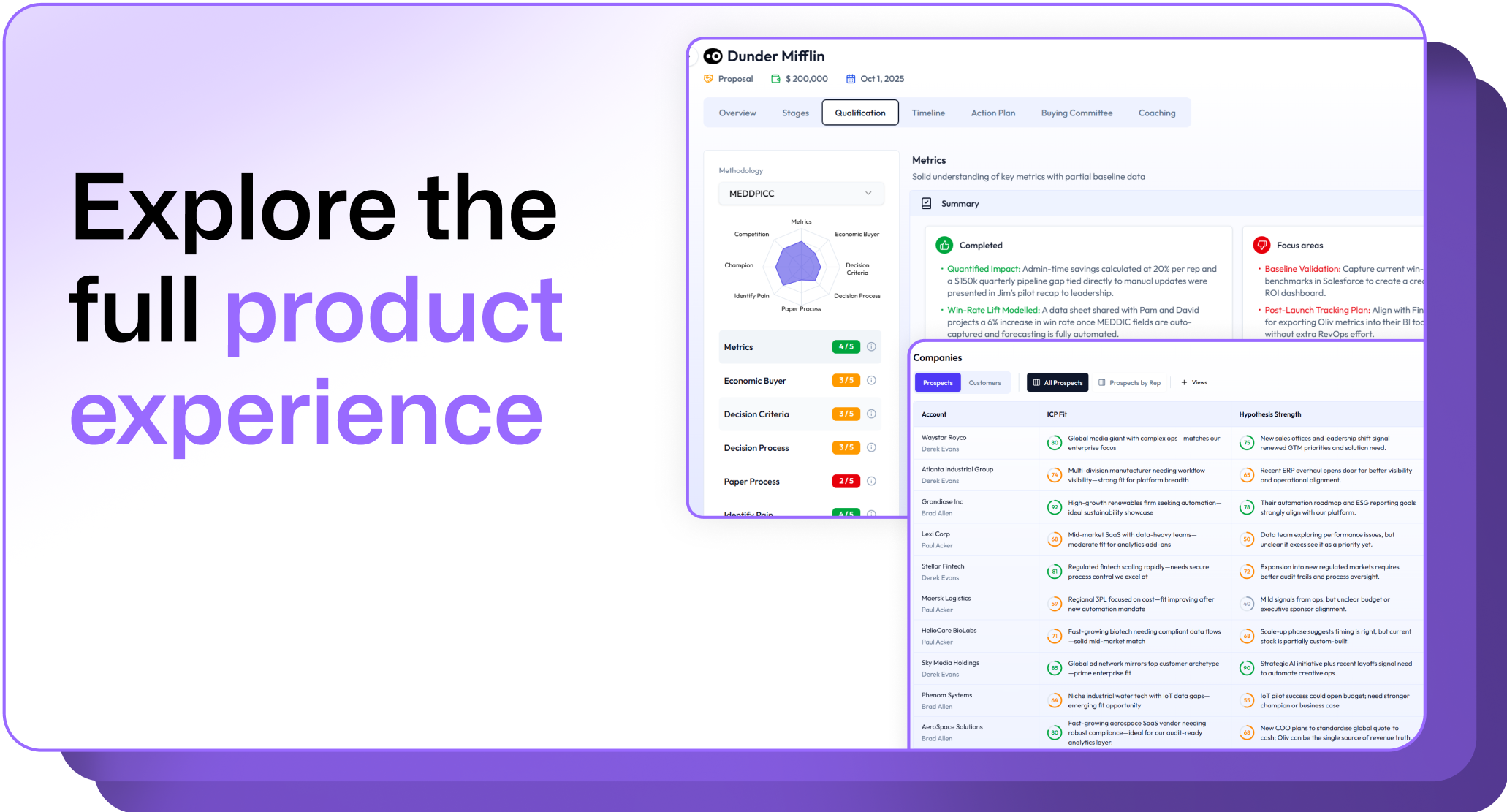
.avif)
.png)







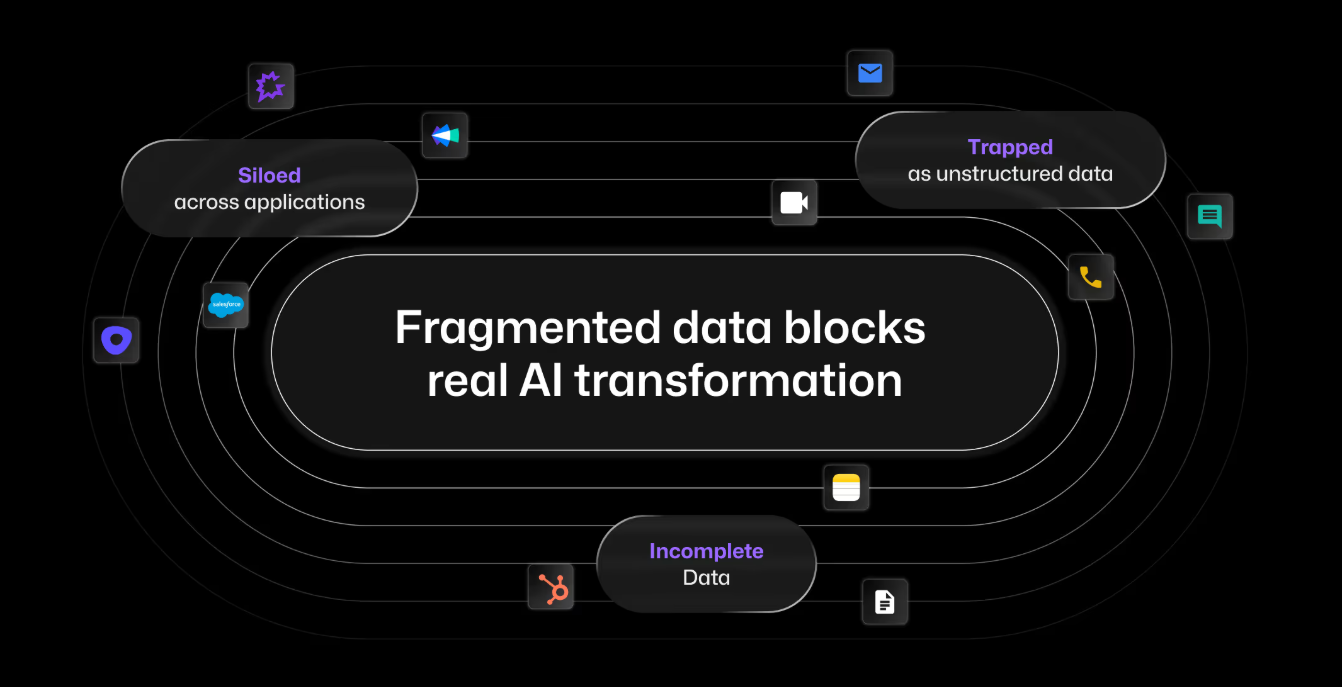
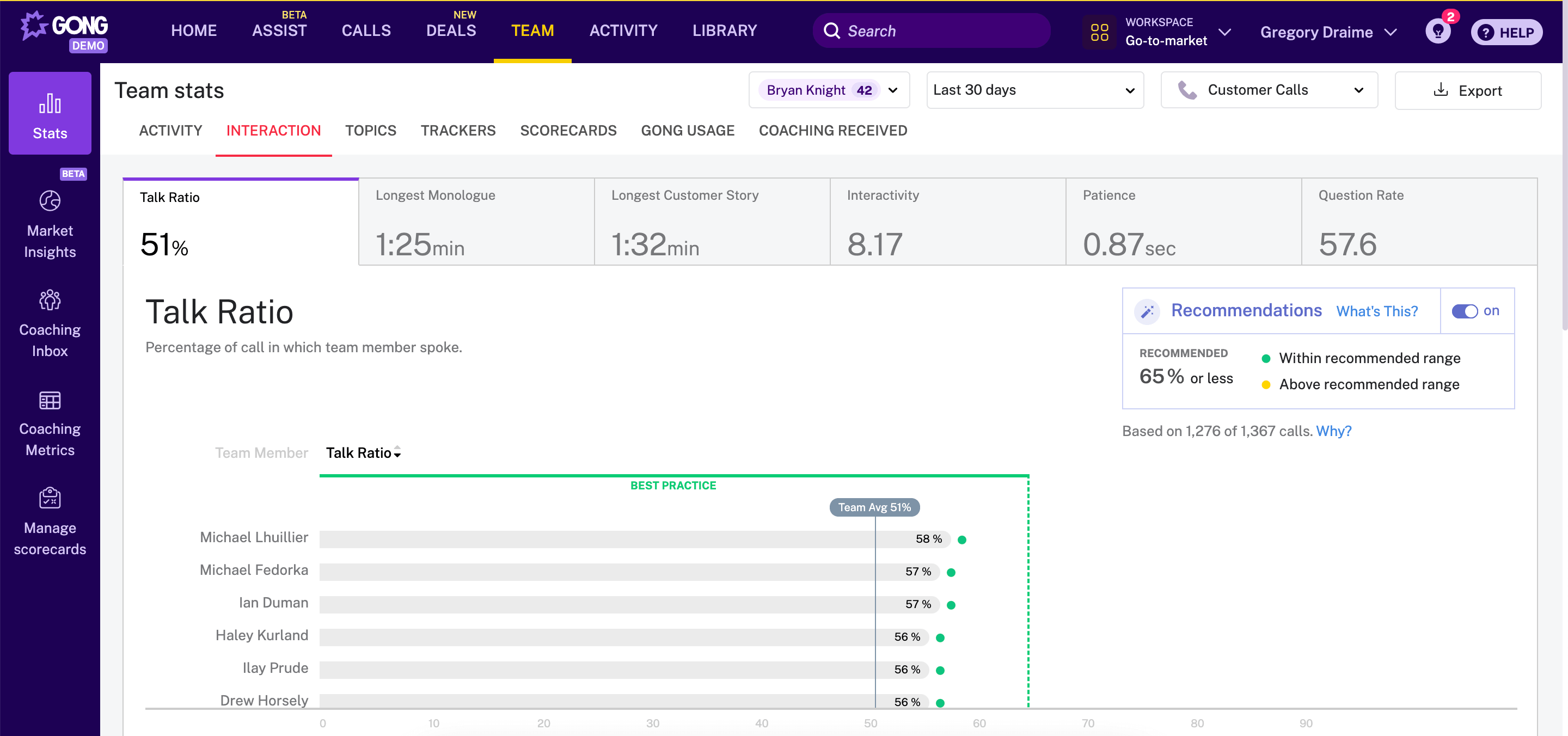
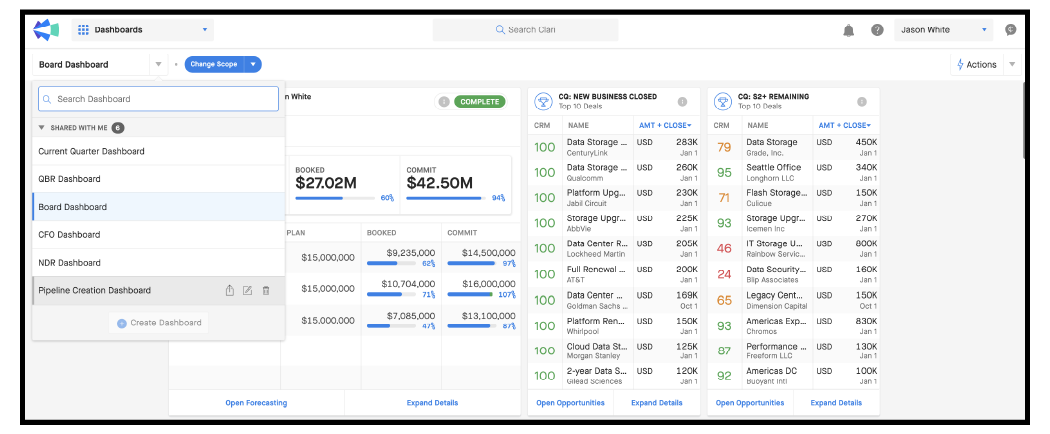
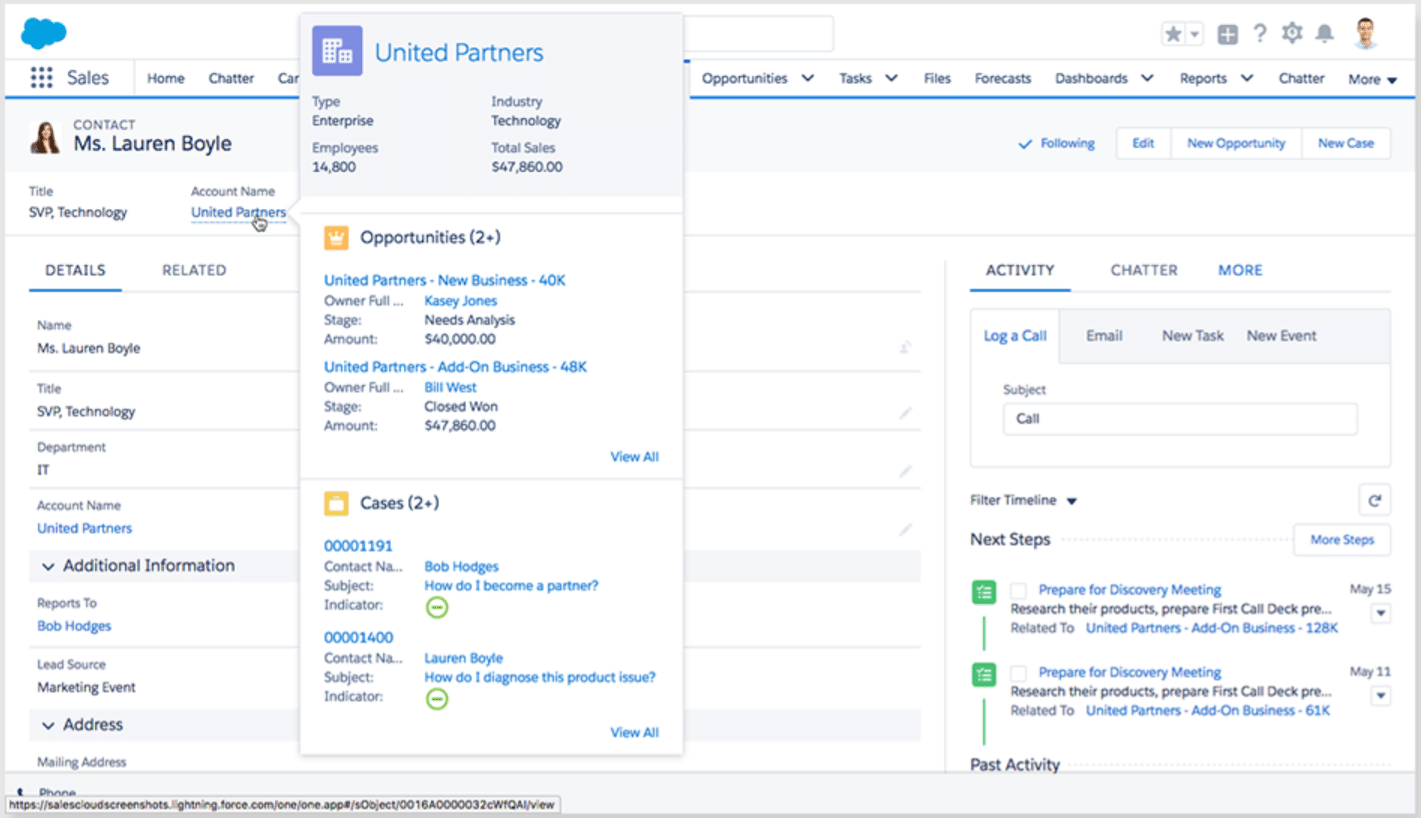
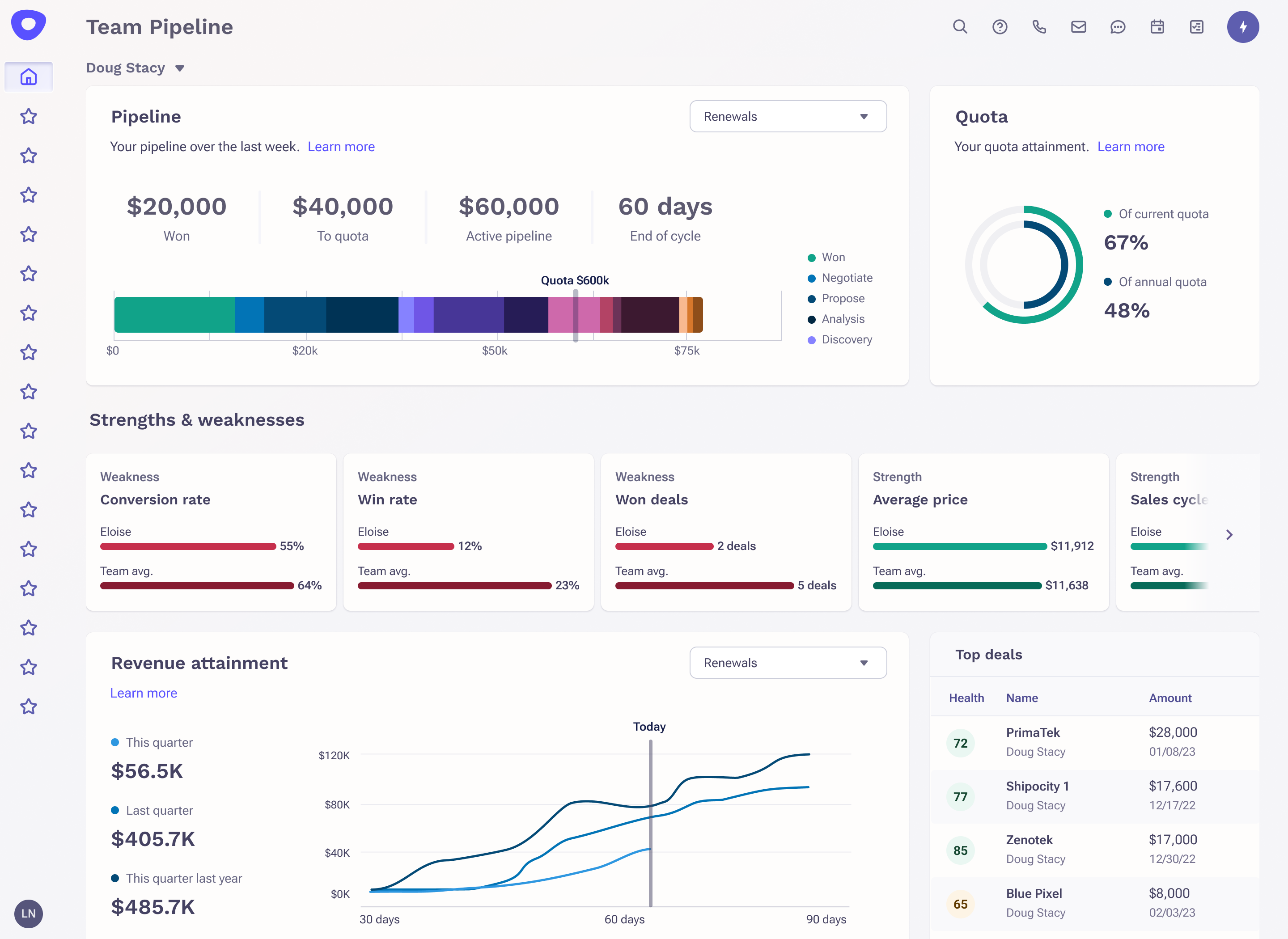
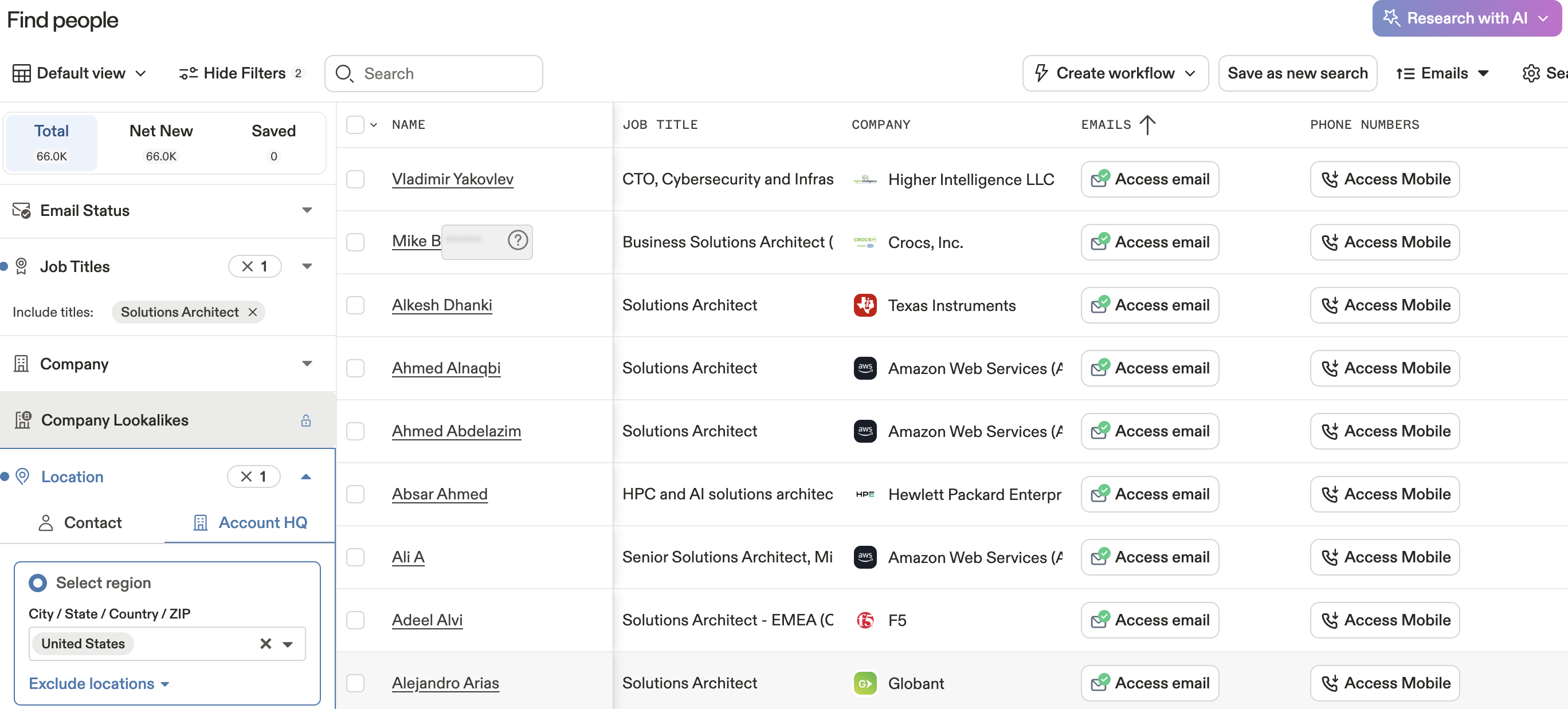

.png)
.png)
.png)

